Best Femoral Inserter for 2026 What to Look For?
As we approach 2026, choosing the best Femoral Inserter is crucial for orthopedic professionals. The right tool can significantly affect surgical outcomes. According to a report by the American Journal of Orthopedics, the choice of inserter can enhance accuracy in femoral component placement by up to 30%. This statistic underlines the urgency for surgeons to stay informed about evolving technologies.
The market for femoral inserters is projected to expand, driven by advancements in surgical techniques and material science. Reported growth rates are expected to reach 5% annually, reflecting the increasing demand for efficient, reliable tools. It's imperative that practitioners assess the features of femoral inserters, focusing on ergonomics, material quality, and precision.
However, the vast array of options can be overwhelming. Some devices may promise precision but fall short in practical application. It's essential for surgeons to rely on expert reviews and peer-backed data. Keeping informed about innovations helps to address potential shortcomings in available tools. Finding a balance between cutting-edge technology and proven reliability is key for success in the operating room.
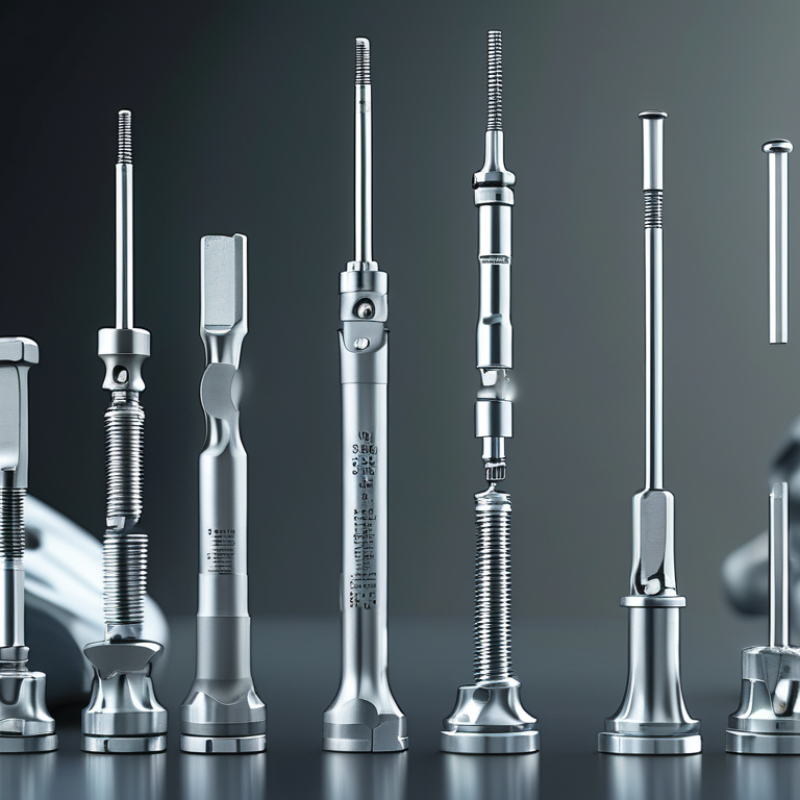
Best Femoral Inserter for 2026: Key Specifications and Features
When selecting the best femoral inserter for 2026, users should focus on critical specifications and features. A high-quality inserter should demonstrate exceptional precision. This means it must allow for accurate placement of implants. Look for inserters with clear markings and intuitive designs. These features aid surgeons in achieving the correct angles during procedures.
Ergonomics play a crucial role in the usability of femoral inserters. A comfortable grip can reduce surgeon fatigue during long operations. The weight of the device should also be considered. Heavier inserters can lead to strain and affect performance. Furthermore, the material used influences durability. A good inserter should withstand the rigors of surgical environments and maintain its functionality over time.
Another important aspect to evaluate is the inserter's compatibility with various implants. Not all inserters work well with every product available on the market. Surgeons need devices that can adapt to multiple scenarios. This flexibility is essential for optimizing surgical outcomes. Innovations in design and technology may lead to better tools in the coming years, yet it's vital to keep evaluating what works best in practice.
Understanding the Anatomy and Biomechanics of Femoral Inserters
Understanding the anatomy and biomechanics of femoral inserters is crucial for optimal surgical outcomes. Femoral inserters play a vital role in orthopedic procedures, particularly in joint replacements and reconstructions. The design of these tools must align with the complex structure of the femur. Surgeons grapple with varying femoral shapes in patients, which can affect prosthesis alignment and stability. An inserter with a user-friendly design can mitigate these challenges.
Biomechanics also plays a significant role. Inserters should achieve precise placement while minimizing soft tissue damage. The angle of insertion impacts the load distribution across the joint. A poorly designed inserter can lead to complications, including implant loosening. Understanding force application through the inserter can enhance surgical precision. However, there remains a need for more customized tools that cater to diverse anatomical variations.
As the orthopedic field evolves, so do the demands on femoral inserters. Innovation in design is imperative. There is an ongoing conversation about improving mechanical features while maintaining ergonomic benefits. Each iteration of femoral inserters presents both solutions and new challenges. This calls for continuous reflections on how to enhance tool effectiveness for both patients and surgeons alike.
Materials and Design Innovations in Femoral Inserters for Enhanced Durability
Innovations in materials and design play a crucial role in the evolution of femoral inserters. In 2026, the focus is on enhancing durability. Traditional materials may lack the resilience required for long-term use. New composites and reinforced plastics are emerging as viable alternatives. These materials provide improved strength without increasing weight. The right choice significantly impacts performance during procedures.
Ergonomics also drive design innovations. A user-friendly interface can enhance the surgeon's experience. Incorporating textured grips and adjustable components can reduce hand fatigue. However, some designs may prioritize aesthetics over functionality. This approach can lead to usability issues in high-pressure situations. Simulation testing remains essential to ensure reliability under various conditions. Continuous feedback from medical professionals is also vital for refining these tools.
The balance between innovation and accessibility can be challenging. Advanced materials often come with higher costs. This factor may limit adoption in some healthcare settings. Further research into cost-effective solutions remains necessary. Ultimately, enhanced durability is attainable, but it requires collaboration among manufacturers and healthcare providers. Investing in innovative, reliable, and user-friendly femoral inserters can improve surgical outcomes significantly.
Evaluating User Feedback and Clinical Outcomes for Femoral Inserters
When evaluating femoral inserters, user feedback plays a crucial role. Users often prioritize ease of use and comfort during procedures. Their insights reveal common issues, such as the weight of the inserter and its maneuverability. These factors significantly impact clinical outcomes, making patient satisfaction essential.
Consider exploring multiple sources of user reviews. Look for trends in feedback regarding specific features. Simple designs may enhance efficiency, while excessive complexity can lead to operational errors. Pay attention to comments about durability, too. Long-term use can expose design weaknesses that might not be apparent initially.
Clinical outcomes depend on the performance of the inserter. Analyze data from surgeries where specific inserters were used. Complication rates and recovery times can guide your choice. Aim for providers that highlight negative feedback as well. Reflection on this information can lead to better decision-making, balancing innovation with practical effectiveness.
Trends in Femoral Inserter Technology: What to Expect in 2026
As we look toward 2026, advancements in femoral inserter technology are shaping the landscape of orthopedic surgeries. Surgeons expect increasing automation and precision in these medical devices. Innovations such as augmented reality will aid surgeons in positioning and aligning implants more accurately. This technology may lead to better patient outcomes and faster recovery times.
User-friendly interfaces are also a vital aspect of future femoral inserters. Next-generation devices might feature touchscreen controls for quick adjustments during surgery. This could streamline the process and reduce complications. Training will still be essential, as reliance on advanced tools requires surgeons to adapt to new ways of thinking.
However, with such rapid developments, some challenges lie ahead. Ensuring that all staff can operate these high-tech devices is a concern. Additionally, balancing high-tech solutions with traditional methods remains a topic for discussion. Trusting new technologies takes time, and ongoing education in the medical field is critical for optimal integration.