10 Best Laser Hair Removal Machines for Global Buyers?
Choosing a Laser Hair Removal machine is not simply a matter of selecting the strongest device. Buyers must compare wavelength, cooling technology, fluence control, treatment speed, maintenance support, and operator training.
The global market is expanding. Grand View Research estimated the laser hair removal market at approximately USD 1.08 billion in 2023, with continued growth expected through 2030. Fortune Business Insights also identifies rising aesthetic treatment demand as a major market driver. These figures are useful, but they do not guarantee performance. Market size is not clinical proof.
Skin diversity matters.
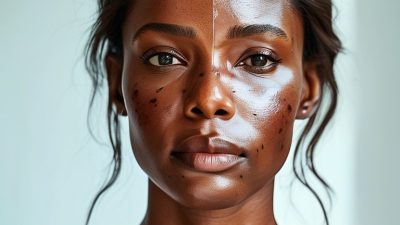
Dermatologist Dr. Tina Alster has emphasized that laser treatment must be selected according to skin type, hair color, and treatment goals. Her practical message is clear: “The right laser depends on the patient, not just the machine.” That principle shapes this guide. A device that performs well on lighter skin may require different settings, cooling, or wavelength selection for darker skin. Nd:YAG systems, diode platforms, and alexandrite lasers each offer distinct strengths and limitations.
This list reviews ten machines for clinics, distributors, and informed global buyers. It considers published specifications, professional usability, safety features, service access, and treatment consistency. Some manufacturers provide impressive numbers. Real-world support may be less impressive. That deserves attention.
No machine suits everyone.
Readers should verify regional certification, electrical compatibility, warranty terms, and local professional requirements before purchasing. Independent clinical advice remains essential. Device labels can be polished. Results still depend on assessment, settings, technique, and patient expectations.
What Is Laser Hair Removal and How Does It Work?
Laser hair removal uses concentrated light to reduce unwanted hair growth. The device sends energy into the hair pigment, called melanin. Heat then travels toward the follicle and weakens its growth structure. This process is known as selective photothermolysis. The surrounding skin should receive less energy when settings match the person’s skin and hair.
Hair grows in cycles, so one session cannot treat every follicle. Most users need several treatments spaced weeks apart. The American Society of Plastic Surgeons’ 2023 statistics recorded more than three million laser hair-removal procedures in the United States. That figure shows strong demand, but popularity does not guarantee identical results. Darker, thicker hair often responds faster. Blonde, gray, and red hair may respond less because they contain less suitable pigment. It is not magic.
Different machines use different wavelengths and cooling systems. A professional assessment should consider skin tone, hair color, treatment area, and recent sun exposure. The American Academy of Dermatology warns that burns, temporary pigment changes, and eye injuries can occur without proper training. FDA-cleared equipment and qualified operators matter, especially for international buyers comparing machines. Buyers should also check fluence, pulse duration, spot size, cooling performance, and maintenance records. Some specifications look impressive on paper. Real treatment consistency may still vary. Results are usually described as long-term hair reduction, not guaranteed permanent removal. That wording is less exciting, but more reliable.
Key Factors for Comparing Laser Hair Removal Machines
Comparing laser hair removal machines requires more than checking wattage or advertised speed. Grand View Research estimated the global market at about USD 1.03 billion in 2023, with an expected 18.1% annual growth from 2024 to 2030. That growth increases product choice, but not necessarily product quality.
Wavelength suitability matters. Alexandrite systems often suit lighter skin, while long-pulse Nd:YAG systems can offer safer treatment options for deeper skin tones. Diode systems may provide a practical middle ground. Buyers should examine fluence, pulse duration, spot size, repetition rate, and cooling performance together. A higher power number can look impressive. It may still create uneven results.
Skin cooling is essential for comfort and thermal protection. Compare contact cooling, air cooling, temperature monitoring, and emergency shutoff functions. Machines should also support documented risk management under ISO 14971 and electrical safety requirements under IEC 60601-1. For laser equipment, IEC 60825-1 compliance deserves attention. Ask for test reports, not vague certificates. Maintenance access, operator training, warranty response, and replacement-part availability affect real operating costs. A compact design may save space, yet smaller cooling systems can struggle during busy treatment days. My practical concern is simple: many comparisons overvalue technical specifications and undervalue after-sales support. That mistake becomes expensive.
The 10 Best Laser Hair Removal Machines for Global Buyers
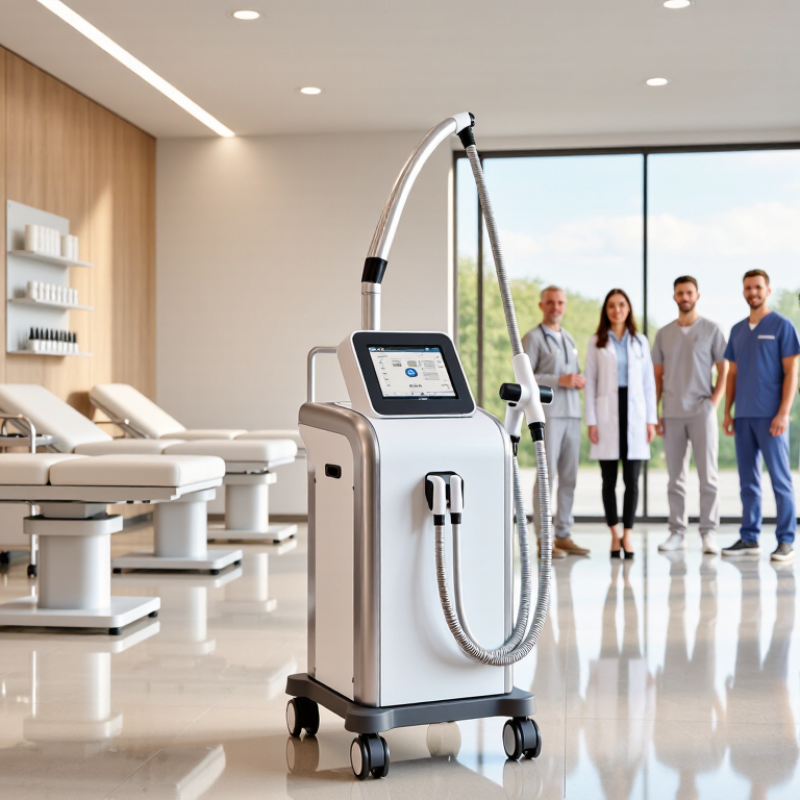
The 10 Best Laser Hair Removal Machines for Global Buyers should be judged by safety, wavelength, treatment control, and service support. A low price can hide weak cooling, limited documentation, or expensive replacement parts. For professional clinics, diode systems offer versatile performance across many treatment areas. Alexandrite systems can work efficiently on lighter skin tones, while Nd:YAG technology is often considered more suitable for darker skin when operated by trained professionals. IPL devices are different from lasers and should not be compared as equals.
A practical global shortlist should include machines with adjustable fluence, pulse duration, spot size, and reliable contact cooling. These controls help practitioners manage areas such as the upper lip, underarms, legs, and back. Look for clear user manuals, treatment records, emergency stop controls, and realistic maintenance schedules. Certification matters, but approval requirements vary between countries. Verify the local rules before importing or operating any device. Ask whether technical training and spare parts are available in your region.
No ranking is perfect. Hair color, skin type, hormonal changes, and treatment consistency affect results. One machine may feel excellent on a clinic’s test area but perform poorly elsewhere. Conduct a supervised patch test first. Eye protection is essential. Be cautious with vague claims about permanent results. Experienced operators should document settings, reactions, and recovery time after every session. That evidence is more useful than polished advertising.
10 Best Laser Hair Removal Machines for Global Buyers
Safety Standards, Skin Types, and Treatment Compatibility
10 Best Laser Hair Removal Machines for Global Buyers
Safety Standards, Skin Types, and Treatment Compatibility
Choosing among the ten best laser hair removal machines requires more than comparing power ratings. Buyers should request test reports, user manuals, and service records before purchase. Look for documented compliance with relevant electrical, optical, and medical-device standards in the destination market. A qualified operator should understand cooling systems, pulse duration, fluence, and emergency shutoff controls. These details protect skin when settings change quickly.
Skin type is equally important. Fitzpatrick I to III skin may tolerate stronger energy, while darker skin requires careful wavelength selection and lower starting settings. Longer wavelengths can reduce melanin absorption near the surface, but they do not remove every risk. Patch testing matters. Always inspect the area after treatment, not only during the first few minutes. Poor contact cooling can leave redness, blistering, or uneven pigmentation.
Treatment compatibility also depends on hair color, thickness, body location, and hormonal factors. Dark, coarse hair usually responds more clearly than blonde, gray, or red hair. Facial areas may need gentler settings than legs because the skin is thinner and more reactive. A machine designed for large body zones may feel awkward around the upper lip. That practical mismatch is easy to overlook. Buyers should compare spot size, cooling performance, replacement parts, and operator training. Specifications can look impressive, yet real treatment results may remain inconsistent without disciplined assessment and follow-up.
How to Choose, Use, and Maintain the Right Device
10 Best Laser Hair Removal Machines for Global Buyers?
Choosing a laser hair removal machine requires more than comparing power ratings. Match the wavelength, pulse duration, and cooling system to the intended skin and hair types. Darker skin may need longer wavelengths and careful energy control. A stronger setting is not always safer or more effective. Treatment rooms also need suitable ventilation, eye protection, and trained operators. Check electrical compatibility before importing equipment. Certification, warranty terms, service access, and replacement parts matter across borders. A low purchase price can become expensive when a handpiece fails.
Tips: Ask for documented test results, user training, and maintenance schedules. Inspect the screen, cables, cooling reservoir, and emergency stop before treatment. Record settings and skin reactions after every session. Patch testing is essential, even when the device appears gentle. Follow local medical-device rules and the manufacturer’s instructions. Never treat irritated, recently tanned, or damaged skin. Home-use devices usually operate at lower energy and should not be treated like professional systems. Results also vary with hormones, hair color, and treatment consistency.
A perfect checklist does not exist. In real use, comfort, operator skill, and after-sales support may outweigh impressive specifications. Some machines look advanced but provide limited technical documentation. That uncertainty deserves attention. Personally, I would choose a well-supported device with adjustable controls over the most powerful model available. Keep inspection records, clean contact surfaces carefully, and schedule professional servicing when required.
10 Best Laser Hair Removal Machines for Global Buyers
How to choose, use, and maintain the right device: wavelength is one of the most important technical factors when comparing professional hair-removal platforms. The chart shows common laser configurations used in the market, without ranking any company or brand.
Shorter wavelengths, such as ruby and alexandrite, are commonly associated with lighter skin types, while 1064 nm Nd:YAG systems generally provide deeper penetration and are widely selected for darker skin types when operated by trained professionals. Actual results also depend on fluence, pulse duration, spot size, cooling, hair color, skin type, and operator settings. Always verify regional safety requirements, user training, service availability, replacement parts, and maintenance procedures before purchasing.