10 Best Rosacea Treatments for Clearer Skin?
Rosacea is a common skin condition affecting over 16 million people in the U.S. alone. This chronic issue can cause redness, flushing, and visible blood vessels. Many struggle with finding effective Rosacea treatment options. According to recent studies, about 70% of patients report that their condition impacts their quality of life.
The quest for clearer skin leads to various treatments, from topical solutions to oral medications. Dermatologists often recommend a tailored approach, as individual responses can vary widely. It's essential to consider professional advice before starting any regimen. Expert insights reveal that ongoing research continues to improve our understanding of Rosacea and its effective treatments.
Despite advancements, challenges in managing this condition persist. Many treatments may not yield immediate results. Understanding one's skin and triggers is critical for effective Rosacea treatment. Incorporating lifestyle adjustments, such as sun protection and dietary changes, can also play a significant role. Ultimately, a comprehensive approach is vital for lasting relief and clearer skin.
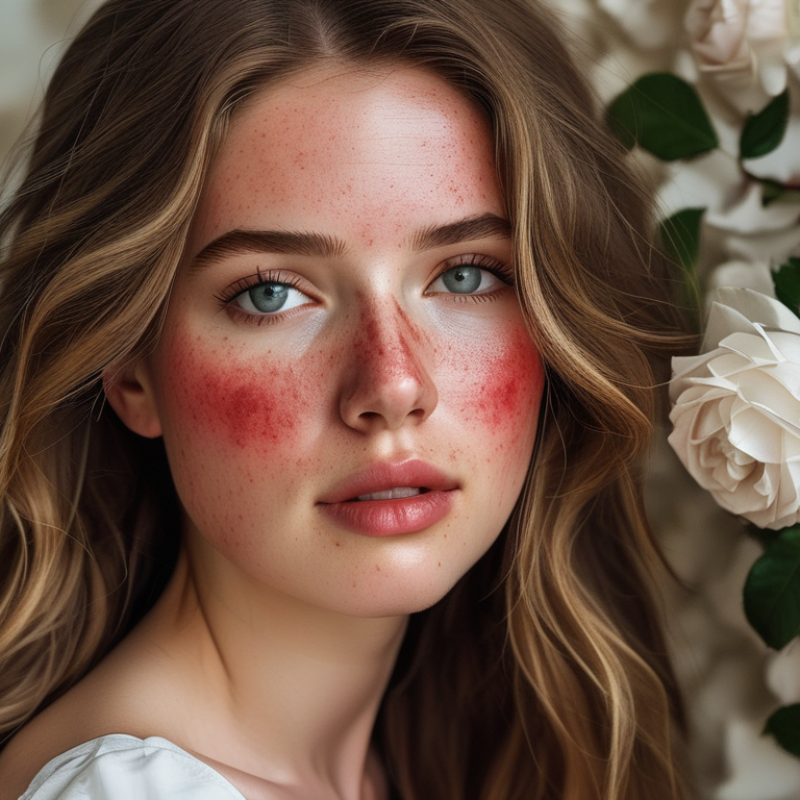
Understanding Rosacea: Types and Symptoms for Better Treatment Outcomes
Rosacea is a chronic skin condition affecting millions globally. Understanding its types and symptoms is crucial for effective treatment. There are four main types of rosacea: erythematotelangiectatic, papulopustular, phymatous, and ocular. Each type presents different symptoms, from facial redness to bumps and pimples. According to the National Rosacea Society, over 16 million Americans suffer from this condition, often leading to social anxiety.
Symptoms can vary widely. Those with erythematotelangiectatic rosacea experience persistent redness. Papulopustular rosacea often causes red, inflamed bumps. Phymatous rosacea may lead to thickened skin, particularly on the nose. Ocular rosacea affects the eyes, causing irritation and redness. Recognizing these symptoms helps in seeking timely medical advice. The data shows that untreated rosacea can worsen, making early intervention vital.
Patient reports indicate that lifestyle factors influence rosacea severity. Common triggers include sun exposure, stress, and certain foods. Keeping a symptom diary can help identify personal triggers. Research highlights the importance of tailored treatment plans based on individual symptoms and type. A one-size-fits-all approach may not work, highlighting the need for a thorough assessment by skincare professionals.
Clinical Guidelines for Diagnosing Rosacea: A Synthesis of Current Research
Rosacea can be a challenging skin condition to manage. Current clinical guidelines emphasize a thorough diagnosis. Understanding the symptoms, such as redness, visible blood vessels, and acne-like breakouts, is essential. Recognizing these signs allows for timely intervention. It's crucial to consult a dermatologist for an accurate diagnosis.
Tips: Keep a daily skin diary. Note triggers and reactions. This practice can reveal patterns that help tailor your treatment.
Treatments for rosacea vary, but they often include topical medications and lifestyle changes. Experts recommend using gentle cleansers and moisturizers. Avoid harsh products that can irritate the skin. Diet can also impact rosacea; spicy foods and alcohol might worsen symptoms.
Tips: Experiment with soothing ingredients like aloe vera or chamomile. Monitor your skin’s response closely to identify what works best for you.
Finally, remember that managing rosacea takes time. Some treatments may not work immediately. Patience and consistency in following your skincare routine are key to achieving clearer skin. Embrace the journey toward better skin health, and don’t hesitate to seek support from healthcare professionals.
Topical Treatments for Rosacea: Efficacy of Metronidazole and Azelaic Acid
Rosacea is a common skin condition that affects many people. It can cause redness, irritation, and sometimes small bumps. Among various treatments, topical options like metronidazole and azelaic acid are widely recognized.
Metronidazole is an antibiotic that helps reduce inflammation. Studies show it can clear up lesions and minimize flare-ups. Patients often notice improvements within a few weeks. Meanwhile, azelaic acid addresses redness and rough texture. It works by exfoliating the skin and unclogging pores. Both treatments require consistent use to be effective.
Tips for managing rosacea include avoiding known triggers. Stress, spicy foods, and extreme temperatures can worsen symptoms. Keeping a skincare diary can help identify personal irritants. Remember to moisturize regularly. Choosing a gentle cleanser can also benefit sensitive skin. Always consult with a dermatologist before starting any new treatment. They can guide you based on skin type and severity. These strategies can make the journey toward clearer skin more manageable and less frustrating.
10 Best Rosacea Treatments for Clearer Skin
| Treatment |
Active Ingredient |
Formulation |
Efficacy |
Side Effects |
| Metronidazole |
Metronidazole |
Cream, Gel |
Effective |
Dryness, Irritation |
| Azelaic Acid |
Azelaic Acid |
Cream, Foam |
Very Effective |
Stinging, Peeling |
| Ivermectin |
Ivermectin |
Cream |
Effective |
Redness, Itching |
| Brimonidine |
Brimonidine |
Gell |
Rapid Relief |
Flushing, Headache |
| Sodium Sulfacetamide |
Sodium Sulfacetamide |
Wash, Cream |
Moderately Effective |
Dryness, Allergic Reaction |
| Doxycycline |
Doxycycline |
Oral |
Effective |
Nausea, Photosensitivity |
| Topical Retinoids |
Retinoids |
Cream, Gel |
Effective |
Irritation, Redness |
| Laser Therapy |
N/A |
Procedure |
Very Effective |
Swelling, Bruising |
| Photodynamic Therapy |
N/A |
Procedure |
Effective |
Sensitivity, Redness |
Oral Medications for Rosacea: Analyzing the Role of Antibiotics and Isotretinoin
Rosacea is a common skin condition affecting millions globally. For many, oral medications serve as a key treatment. Antibiotics are frequently prescribed for their anti-inflammatory properties. According to a study published in the “Journal of the American Academy of Dermatology,” up to 70% of patients improved with doxycycline. Isotretinoin is another option, known for severe cases. Research indicates it can significantly reduce symptoms when other treatments fail.
Understanding the implications of these medications is vital. While antibiotics can reduce inflammation, long-term use may lead to antibiotic resistance. Patients need to weigh the benefits against potential risks. Conversations with healthcare professionals are essential for informed decisions.
Tips: Maintain a skincare routine that avoids irritants. Gentle cleansers and moisturizers can support treatment effects. Consult a dermatologist for personalized advice, especially before trying isotretinoin, given its potential side effects. Adapting your lifestyle can complement medical treatments, aiding in clearer skin.
Lifestyle Modifications and Natural Remedies: Supporting Skin Health in Rosacea
Maintaining skin health is crucial for managing rosacea. Incorporating lifestyle modifications can significantly promote clearer skin. For instance, managing stress can help reduce flare-ups. Engaging in activities like yoga or meditation often proves beneficial. These practices lower cortisol levels and improve overall skin condition.
Diet also plays a vital role in rosacea management. Consuming anti-inflammatory foods, such as leafy greens and berries, may reduce redness. Avoiding spicy foods and alcohol is important, as they can trigger symptoms. Keeping a food diary can help identify personal triggers.
Additionally, staying hydrated is essential. Drinking enough water daily can improve skin elasticity and boost overall health. Regular sleep patterns support skin repair and lessen inflammation. Not prioritizing these changes can impede recovery. Embracing a holistic approach encourages long-term skin health and overall well-being.