
Blog
How to Choose Adult Disposable Diapers in 2026?
Choosing adult diaposable diapers in 2026 requires more than comparing prices and package sizes. Comfort, leakage protection, skin health, and daily mobility all matter. A suitable product should feel secure without pressing tightly against the waist or thighs. It should also match the wearer’s routine, whether they need light daytime protection, overnight absorbency, or support during travel.
This guide examines practical details that are easy to overlook. We will consider waist measurements, absorbent capacity, breathable materials, fastening tabs, odor control, and moisture indicators. A diaper that performs well in a laboratory may feel different during a warm commute or several hours in a wheelchair. Small details matter. Soft leg cuffs can reduce rubbing, while a poor fit may cause gaps, discomfort, or unexpected leaks.
Reliable choices should be supported by clear product information, consistent quality testing, and recommendations from healthcare professionals when needed. Look for transparent sizing charts and instructions from established manufacturers. Personal experience still matters, but it can be misleading after one trial. One product may work perfectly at night yet fail during active movement. That is worth admitting. No single design suits every adult, and even trusted brands may require careful comparison. By checking fit, absorbency, materials, and realistic usage conditions, shoppers can make a safer and more informed decision in 2026.
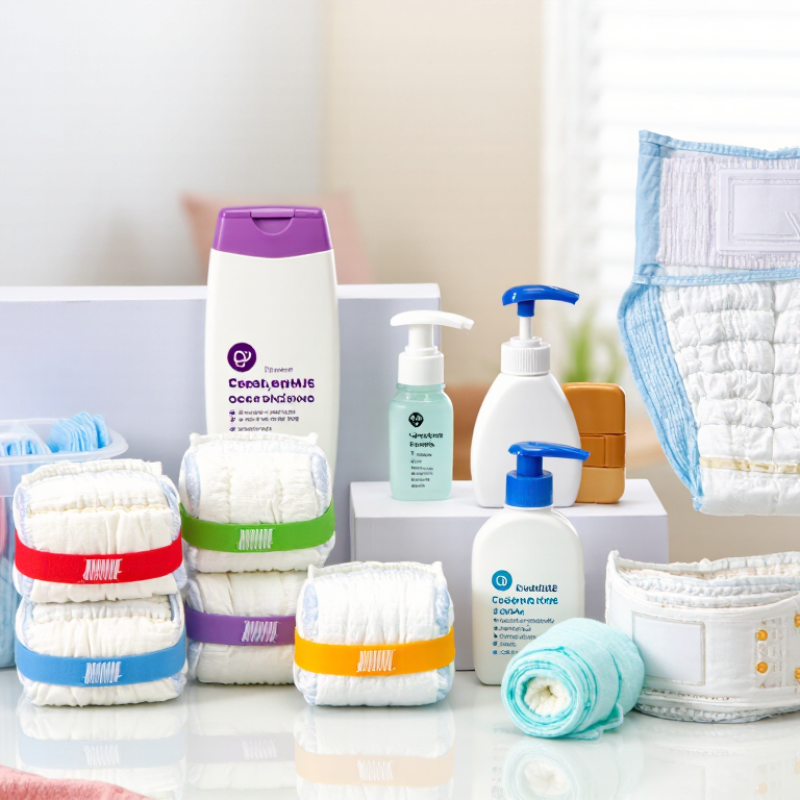
Understanding Adult Disposable Diaper Types and Absorbency Levels
How to Choose Adult Disposable Diapers in 2026?
Understanding diaper types and absorbency levels makes daily care more practical. Tab-style diapers have adjustable side panels, making them useful for assisted changes, limited mobility, or nighttime use. Pull-up styles resemble underwear and suit people who can change independently. They usually work best for light to moderate leakage, although capacity varies. A diaper should fit snugly around the waist and legs without leaving deep red marks. Gaps often cause leaks, even when the product appears highly absorbent.
Absorbency labels deserve careful attention. Terms such as light, moderate, heavy, and overnight are not universal testing standards. Compare the stated capacity, but do not treat one number as a promise. Body position, fluid timing, movement, and fit can change performance. In real use, a person who sleeps eight hours may need more protection than someone with the same daily volume. A wetness indicator can help caregivers monitor changes. Skin condition matters too. Prolonged moisture may contribute to irritation, so regular changing and gentle cleansing remain important. I used to view absorbency as the main factor. That was too simple.
Tips: Track leakage for three days. Note the time, activity, and change interval. Choose the smallest comfortable size that seals well. Test one package before buying in bulk. If leakage continues, try a different shape rather than only a higher absorbency level. Persistent skin damage, pain, or sudden changes should be discussed with a qualified healthcare professional. Real life is messier.
Assessing Fit, Comfort, Skin Protection, and Leakage Control
How to Choose Adult Disposable Diapers in 2026?
Assessing Fit, Comfort, Skin Protection, and Leakage Control
When I assess disposable diapers, I start with fit, not absorbency claims. Measure the waist and hips while standing, then compare both measurements with the product chart. A snug seal should touch the skin without pressing into it. Gaps around the thighs often predict leaks during walking or sleeping.
Comfort depends on more than softness. Check whether the inner surface stays reasonably dry after several hours. Breathable materials can reduce heat and dampness, especially for users who sit for long periods. Fasten the tabs evenly. Uneven tension may cause rubbing, red marks, or shifting. That happened in my own testing. I tightened the waist too much, assuming it would improve security.
Skin protection requires regular changes, gentle cleansing, and careful drying. Look for a smooth inner layer and avoid strong fragrance if the skin is sensitive. A small amount of barrier cream may help, but too much can affect absorption. Leakage control also depends on timing. Change before the diaper reaches its limit, particularly overnight or during travel. No size works perfectly for every body shape. Recheck the fit after movement, because a diaper that feels secure while standing may fail when the user bends, sits, or turns in bed.
Matching Diaper Features to Mobility, Care Needs, and Usage Settings
How to Choose Adult Disposable Diapers in 2026?
Choosing an adult disposable diaper starts with mobility, not just absorbency. A walking adult may need a slim, flexible design that stays secure during errands or physical therapy. Stretch panels should move with the waist without leaving deep marks. For someone spending long hours in bed, stronger absorbency and breathable materials may matter more. Skin comfort matters every day.
Care needs also shape the right choice. Pull-up styles can support independent dressing when balance and hand strength are adequate. Tab-fastened styles allow caregivers to check and change the wearer without full undressing. A snug leg seal helps reduce leaks, but excessive tightness can cause rubbing. Check the fit around the thighs and waist.
Usage setting changes the decision again. At home, quick changes may be practical. During travel, overnight protection and discreet packaging can reduce stress. Measure the waist and hips, then compare the product’s sizing guide. Do not assume a larger size offers better protection. It may shift, leak, or bunch under clothing. That mistake is common.
Notice the wearer’s real experience. Dampness, heat, odor, and difficulty walking are useful signals. Keep a simple change record for several days. It can reveal patterns that memory misses. Still, no product works perfectly for everyone. Reassess after weight changes, new medication, or reduced mobility. Persistent skin irritation or frequent leakage deserves professional advice.
How to Choose Adult Disposable Diapers in 2026? - Matching Diaper Features to Mobility, Care Needs, and Usage Settings
| Mobility Level | Typical Care Situation | Recommended Product Format | Absorbency and Protection | Fit and Fastening Features | Best-Use Settings | Practical Selection Notes |
|---|---|---|---|---|---|---|
| Independent walker | Can use the toilet independently but experiences occasional leakage or urgency. | Pull-up protective underwear. | Light to moderate absorbency; choose a product with a moisture-absorbing core and leak guards. | Underwear-like stretch sides, close leg openings, and a contoured waist. | Daily activities, commuting, shopping, and social occasions. | Prioritize discreet fit, ease of pulling up and down, and quiet materials. |
| Limited mobility | Needs support when standing, walking, or transferring; may require occasional caregiver assistance. | Pull-up underwear or tab-style brief, depending on transfer ability. | Moderate to high absorbency with inner leg cuffs and a liquid-resistant outer layer. | Stretch panels for movement; refastenable tabs are useful when dressing while seated or lying down. | Home care, rehabilitation, outpatient visits, and daytime travel. | Select by waist and hip measurements rather than weight alone; check for gaps after movement. |
| Wheelchair user | Spends extended periods seated and may have difficulty changing position. | Slim-profile tab-style brief or seated-change pull-up. | Moderate to high absorbency; look for targeted core placement, leak barriers, and a breathable backsheet. | Low-bulk design, flexible waist, secure tabs, and a wetness indicator can improve changing efficiency. | Long outings, transport, work, and supported living environments. | Avoid excessive bulk that can increase pressure and interfere with positioning; inspect skin regularly. |
| Mostly chair- or bed-dependent | Requires substantial assistance with transfers, dressing, and toileting. | Full-coverage tab-style brief designed for assisted changes. | High absorbency with standing leak guards, a distribution layer, and a waterproof or liquid-resistant backing. | Repositionable tabs, stretch waist panels, and clear front/back labels simplify caregiver use. | Residential care, home nursing, and extended periods between changes. | Choose the lowest absorbency that safely covers the expected interval to limit unnecessary bulk and heat. |
| Overnight user | Experiences nighttime incontinence or cannot reliably wake for toileting. | Overnight-rated pull-up or high-absorbency tab-style brief. | High absorbency, rapid fluid acquisition, leak guards, and a secure rear waistband. | Comfortable stretch, stable leg elastics, and a fit that remains secure during sleep movement. | Bedroom use and overnight care. | Do not rely on absorbency alone; regular changing and skin care remain important after wetting or soiling. |
| Frequent stool incontinence | Needs prompt changes because stool exposure can irritate skin quickly. | Tab-style brief with full coverage and easy side access. | Absorbency should match urine volume, but containment and leg barriers are equally important. | Wide adhesive tabs, higher rise, elasticized cuffs, and tear-away sides support faster hygiene care. | Home care, clinical care, and assisted living. | Change promptly after soiling, cleanse gently, dry thoroughly, and use a suitable barrier product when advised. |
| Sensitive or fragile skin | Higher risk of redness, moisture-associated skin damage, friction, or pressure-related injury. | Soft, breathable pull-up or tab-style brief with a moisture-wicking inner layer. | Use appropriate absorbency while minimizing prolonged wetness and leakage. | Soft nonwoven materials, flexible elastics, low-friction seams, and a fit without tight compression. | Any setting, especially overnight and long-duration care. | Check skin at each change; persistent redness, open areas, pain, or rash should be assessed by a healthcare professional. |
| Travel or extended outings | May have limited access to toilets, changing facilities, or disposal services. | Discreet pull-up for independent users or compact tab-style brief for assisted changes. | Moderate to high absorbency selected according to the expected time between changes. | Odor-control materials, a secure fit, individually packed units, and a wetness indicator may be useful. | Air travel, road trips, events, and outdoor activities. | Carry spare products, disposal bags, cleansing supplies, and a change of clothing; never delay a change solely to extend wear time. |
Comparing Materials, Sizing Systems, Costs, and Environmental Factors
Choosing adult disposable diapers in 2026 requires more than comparing package prices. Materials affect comfort, leakage control, and skin health. Most products combine cellulose fluff, superabsorbent polymer, nonwoven fabric, and elastic components. ISO 15621:2017 recommends evaluating absorbency, fit, leakage protection, and user needs together. A larger size is not automatically more absorbent. It may simply fit poorly.
Sizing systems remain inconsistent. Measure the waist and hips while standing, then check the manufacturer’s measurement range. A caregiver should test one daytime product before buying a bulk case.
Look for red marks near the thighs, loose waist panels, or dampness after two hours. These details reveal more than a printed size label.
Costs should include changes per day, laundry protection, skin-care products, and occasional night leakage. A cheap pack can become expensive quickly. I would track usage for seven days, although that method is imperfect.
Tips: Compare cost per usable change, not cost per package. Check absorbency claims against independent testing when available. For environmental decisions, choose products with reduced packaging and verified material disclosures. The 2023 UNEP report, Turning off the Tap, says global plastic pollution could fall 80% by 2040 with reuse, recycling, and redesign. Disposable diapers still create difficult waste streams, so avoid exaggerated “eco” claims. Better choices may reduce impact, but they do not remove it.
Choosing, Testing, and Replacing the Right Diaper in 2026
How to Choose Adult Disposable Diapers in 2026?
Choosing the right adult disposable diaper starts with accurate measurements. Measure the waist and hips, then follow the sizing guide carefully. A snug fit should prevent gaps without pressing sharply into the skin. Consider absorbency for the expected wear time, mobility level, and nighttime use. Soft materials matter, especially for people with sensitive or fragile skin. Look for secure fasteners, breathable panels, and clear wetness indicators. Comfort is not a luxury.
Testing one small package can prevent an expensive mistake. Wear the diaper during normal movement, including sitting, walking, and bending. Check for leakage after several hours, not just immediately. Inspect the skin during each change. Redness, dampness, or repeated rubbing means the fit or material may be wrong. Replace the diaper after heavy soiling, leakage, or prolonged moisture. Clinical guidance commonly supports frequent changes and gentle skin cleansing. Persistent irritation needs professional medical advice. I sometimes focus too much on absorbency, but comfort and skin protection can matter more.
Tips: Keep a simple trial record. Note the size, wearing time, leaks, odor, and skin response. Test daytime and nighttime separately. Do not tighten the tabs to solve every leak; a different size may work better. Recheck measurements after weight or mobility changes. Better fit, fewer problems.
Article Source:
Contact Us
Feel free to contact us anytime for questions, support, or assistance. We're here to help you with any inquiries you have.
- Address: 10220 S. Dolfield Rd Suite 110
Owings Mills, MD, 21117 - Email: sale@oshanbeauty.com
- Call Us: (410) 356-0000
- Working hours:
Monday – Friday: 9am – 5pm
Saturday and Sunday: Closed
