
Blog
How to Plan Fountain Installation in 2026?
Planning a Fountain Installation in 2026 requires more than choosing an attractive basin and pump. It requires evidence, site experience, and careful water management. The U.S. Environmental Protection Agency reports that outdoor water use can represent nearly 30% of household consumption in the United States. This figure makes circulation efficiency, leak prevention, and evaporation control essential design decisions.
Professional planning should begin with the site. Measure available space, sunlight, wind exposure, drainage, electrical access, and viewing distances. A fountain beside a hotel entrance needs different engineering from one in a shaded private courtyard. The 2024 UN World Water Development Report emphasizes growing pressure on freshwater resources. That pressure should influence refill systems, filtration choices, and maintenance schedules. Reclaimed water may help in some projects, but local quality requirements must be verified.
The American Society of Landscape Architects consistently highlights water-conscious landscapes and resilient outdoor design in its industry research. These priorities are shaping 2026 specifications. Variable-speed pumps, LED lighting, automatic water-level sensors, and weather-resistant controls can reduce waste and operating interruptions. Still, technology is not a complete solution. A poorly sized pump may create excessive splash, noise, or energy use. Small mistakes become expensive later.
A realistic plan also includes cleaning access, winter protection, safety clearances, and a transparent maintenance budget. Manufacturer data should be checked against independent engineering advice. Local contractors can reveal practical issues that drawings miss. That human experience matters. No project is perfectly predictable. Weather, water chemistry, and public use can challenge even careful assumptions. A successful Fountain Installation balances visual impact, long-term reliability, responsible resource use, and honest review of what might fail.
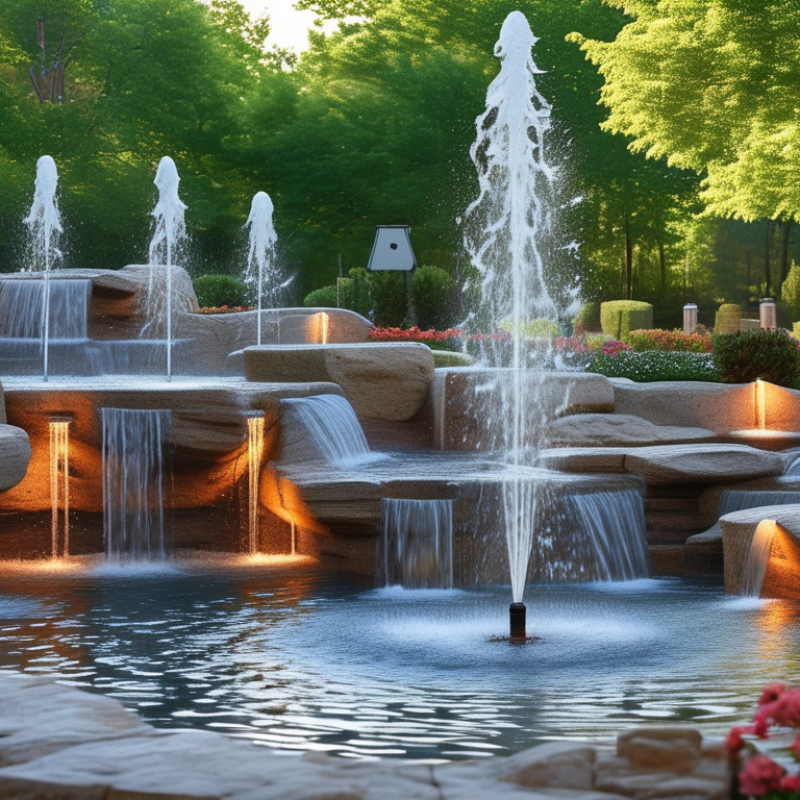
Define the Fountain’s Purpose, Style, and Installation Goals
How to Plan Fountain Installation in 2026?
Define the Fountain’s Purpose, Style, and Installation Goals
Begin with purpose, not decoration. A fountain may create a quiet arrival zone, support wayfinding, or become the property’s visual anchor. Each goal changes the basin size, pump capacity, lighting, and safety controls. The 2024 U.S. Geological Survey water-use report highlights continuing pressure on freshwater resources. Therefore, specify recirculation, leak detection, and scheduled filtration before selecting finishes. EPA WaterSense also reports that outdoor use represents about 30% of household water consumption in the United States. A recirculating fountain cannot eliminate losses, but it can limit unnecessary make-up water.
Style should follow the surrounding architecture and visitor behavior. A narrow sheet of water suits a formal entry. A textured cascade feels more natural beside planting. Check sightlines from five, fifteen, and thirty feet. Sound matters too. I once approved a beautiful jet feature that sounded harsh beside a seating area. That choice needed more testing. The World Green Building Council’s health-focused guidance emphasizes comfort, sensory quality, and connection with nature. Use those principles practically, not as decoration.
Installation goals must be measurable. Set targets for noise, water loss, energy use, cleaning frequency, and winter protection. The American Society of Landscape Architects’ recent trend reporting continues to show strong interest in functional, low-maintenance outdoor spaces. Leave service access around pumps and filters. Hide equipment carefully, but never bury it beyond reach. A detailed commissioning checklist should record flow rates, electrical protection, overflow paths, and surface slip resistance before handover.
Assess the Site, Water Supply, Drainage, and Local Regulations
How to Plan Fountain Installation in 2026?
Begin with a measured site assessment, not a decorative sketch. Check soil stability, sunlight, nearby trees, underground utilities, pedestrian routes, and equipment access. Measure twice.
Water moves.
The U.S. EPA WaterSense program reports that outdoor irrigation can represent nearly one-third of household water use, with more than half lost through inefficient practices. A fountain may consume less, but its supply still needs testing.
Confirm pressure, pipe capacity, filtration, refill controls, and backflow protection. According to the World Resources Institute’s Aqueduct Water Risk Atlas 2023, 25 countries face extremely high annual water stress.
A recirculating design, rain sensor, and automatic level control can reduce unnecessary refill demand.
Drainage deserves equal attention. Provide an accessible drain, overflow route, isolation valve, and safe discharge point. Never assume nearby paving can absorb emergency overflow.
Water moves.
Inspect the lowest ground after rainfall, even if the weather is inconvenient.
Local requirements may include planning approval, electrical protection, public safety barriers, accessibility clearances, noise limits, water discharge rules, and mosquito-control measures.
Requirements vary by jurisdiction. Verify them with the local authority and a qualified engineer before ordering equipment.
I would not rely on one site visit; early assumptions often fail when soil, utility records, or seasonal water levels differ.
Plans change.
Leave inspection access, maintenance space, and a realistic shutdown procedure in the design.
Set the 2026 Budget, Timeline, and Maintenance Requirements
Planning a fountain installation in 2026 starts with a realistic budget, not a catalogue image. Price the basin, pump, filtration system, lighting, excavation, plumbing, electrical work, permits, and professional installation separately. For a medium courtyard fountain, keep a 15 percent contingency fund. Soil surprises are common. I once underestimated drainage work, and the correction delayed the project by nearly two weeks.
Set the timeline around weather, access, and construction availability. Allow two weeks for site assessment and design approval. Allow another three to six weeks for material ordering and fabrication. Installation may take five to ten working days, depending on excavation and utility connections. Schedule the work before the hottest season, when concrete can cure more reliably. Confirm every underground service before digging.
Maintenance costs should appear in the original budget. Plan for weekly debris removal, monthly pump inspection, and seasonal water-quality checks. Filters may need cleaning every two to four weeks during windy periods. Include electricity, water replacement, winter protection, and occasional seal repairs. Keep a service log with dates, water levels, pump noise, and visible cracks. Small changes matter. A rising power bill may indicate a blocked filter, not a larger fountain. Leave safe access around the equipment, even if it slightly reduces the surrounding planting area. That compromise is easy to regret later.
Choose Materials, Equipment, Safety Features, and Sustainable Systems
Planning a fountain in 2026 starts with the site, not the spray pattern. Inspect soil, drainage, sunlight, wind, and nearby pedestrian routes. A concrete basin suits busy public areas, while fiberglass can reduce structural weight on rooftops. Stone adds visual character, but porous surfaces may demand more cleaning. I have seen attractive finishes fail when freeze-thaw movement was ignored. Material selection needs local climate data and maintenance records. Leave access panels large enough for hands, tools, and future pump replacement. Small details matter.
Size pumps from measured flow, lift, pipe length, and nozzle resistance. Oversized equipment wastes energy and creates unstable water patterns. Include strainers, isolation valves, level sensors, and an automatic shutoff for low water. Electrical components should be protected from moisture and installed by qualified professionals. Use slip-resistant paving around the basin, rounded edges, secure grates, and clearly separated service zones. Test splash height during windy conditions. A drawing may look perfect indoors. Outdoor water behaves differently.
Sustainable systems can combine efficient pumps, timed operation, rainwater capture, and filtration that limits make-up water. Reuse water only after checking its quality and treatment needs. Solar power may help, but shade, winter output, and battery disposal deserve honest review. Choose durable components over cheap replacements. Keep a log of water levels, filter cleaning, electrical tests, and unusual noise. I would also schedule a commissioning inspection after several weeks, because early assumptions are often wrong. Design teams should record what failed, not hide it.
How to Plan Fountain Installation in 2026?
Typical Planning Service-Life Ranges for Materials, Equipment, Safety, and Sustainable Systems
Use these typical service-life ranges as early-stage planning benchmarks. Actual performance depends on water chemistry, climate, operating hours, maintenance quality, electrical inspections, and local safety requirements.
Plan Construction, Testing, Launch, and Long-Term Care
How to Plan Fountain Installation in 2026?
Plan Construction, Testing, Launch, and Long-Term Care
A reliable fountain plan begins with site conditions, not decorative sketches. Record soil strength, drainage paths, wind exposure, sunlight, and nearby power routes. The 2024 World Water Development Report states that agriculture uses about 70% of global freshwater withdrawals. Recirculation, covered tanks, and automatic level controls therefore deserve early attention. Size pumps for the real pipe length, elevation, and nozzle pattern. Oversized equipment wastes energy and creates unstable spray.
Construction should include accessible valves, non-slip paving, isolation switches, and protected electrical cabinets. Use qualified electrical and water-feature professionals. During testing, inspect every joint before filling the basin. Run pumps at low, medium, and full output. Measure flow, spray height, noise, voltage, and water loss. Keep a written commissioning record. The U.S. EPA WaterSense program reports that household leaks can waste more than 11,000 gallons annually. A small unnoticed leak can become expensive in a public installation.
Launch the fountain only after testing under realistic conditions, including wind and visitor movement. Provide clear maintenance access. Train staff to check strainers, water chemistry, lighting, controls, and pump vibration. Weekly inspections are practical; deeper servicing should follow equipment readings and seasonal demand. The 2024 ASHRAE Handbook emphasizes maintainability and access when planning building systems. Designers often underestimate this point. A beautiful basin can still fail when one buried valve cannot be reached. Keep spare seals, filters, and documented settings on site. Review performance after the first month, because the original design assumptions may be wrong.
Article Source:
Contact Us
Feel free to contact us anytime for questions, support, or assistance. We're here to help you with any inquiries you have.
- Address: 10220 S. Dolfield Rd Suite 110
Owings Mills, MD, 21117 - Email: sale@oshanbeauty.com
- Call Us: (410) 356-0000
- Working hours:
Monday – Friday: 9am – 5pm
Saturday and Sunday: Closed
