
Blog
What Is Tea Polyphenol Extract Used For in Global Sourcing?
Tea Polyphenol Extract has become a practical ingredient in global sourcing, not merely a fashionable botanical label. Buyers use it in beverages, dietary supplements, functional foods, cosmetics, and research-grade formulations. Its appeal usually comes from catechins, theaflavins, and other naturally occurring compounds associated with tea leaves.
Dr. Jeffrey Blumberg, a respected nutrition scientist and former director of Tufts University’s Antioxidant Research Laboratory, described tea as “a rich source of flavonoids, which are compounds with antioxidant properties.” This perspective helps explain its commercial demand. Yet sourcing requires more than repeating health-related language. It requires careful verification.
Origin matters. So does extraction method.
A supplier may offer green tea extract, black tea extract, or a blended profile. These materials can differ in polyphenol concentration, caffeine content, solvent residues, color, taste, and stability. Buyers should review certificates of analysis, botanical identification, pesticide testing, heavy-metal results, microbial limits, and batch consistency. Packaging also matters. Heat, moisture, oxygen, and long shipping periods can reduce product quality.
The market is not perfectly standardized. That is a weakness. A stated “50% polyphenols” may not describe the same testing method across suppliers. Procurement teams should therefore compare analytical methods, not only headline percentages. They should also check whether sustainability claims are documented.
This article examines what Tea Polyphenol Extract is used for in global sourcing. It considers applications, supplier evaluation, compliance expectations, and practical purchasing risks. Some assumptions may need revision. That is useful, because responsible sourcing begins with questions that product brochures often avoid.
Definition and Key Properties of Tea Polyphenol Extract
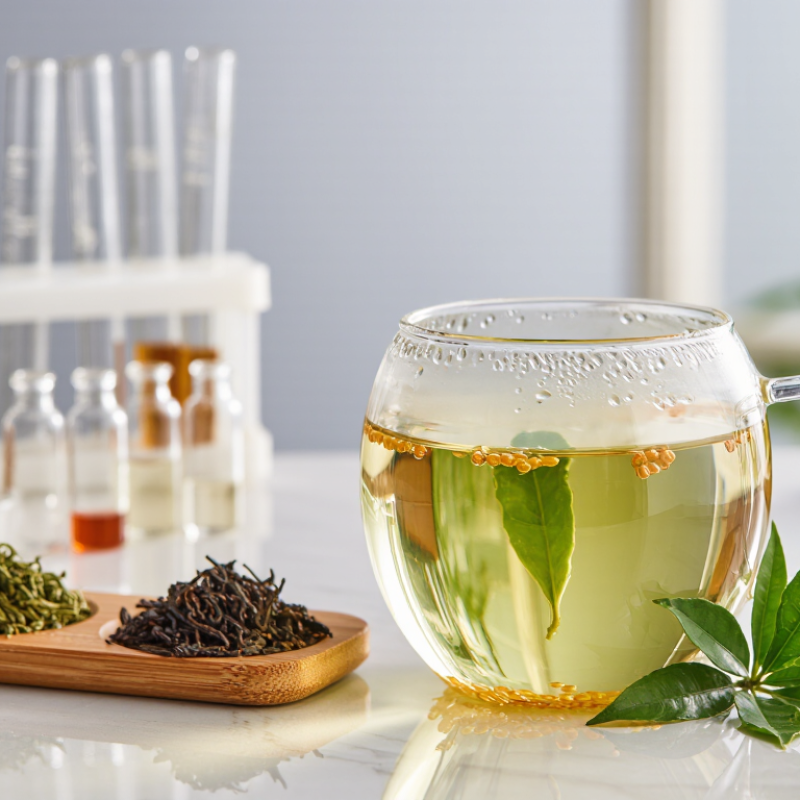
Tea polyphenol extract is a concentrated ingredient made from Camellia sinensis leaves. It contains catechins, including EGCG, EGC, ECG, and GCG. Green tea extracts usually retain more catechins because limited oxidation occurs during processing. Black tea extracts contain more oxidized polyphenols, such as theaflavins and thearubigins.
Composition changes with leaf age, cultivar, harvest season, extraction solvent, and drying temperature. That matters in global sourcing. The International Tea Committee reported global tea production above 6.5 million tonnes in 2023, but raw tea volume does not equal extract quality. A small difference in processing can alter color, bitterness, solubility, and catechin levels. The label can mislead.
Key properties include antioxidant activity, astringency, water dispersibility, moisture sensitivity, and a characteristic green-to-brown color. Buyers should request an assay based on HPLC methods, such as ISO 14502-2, rather than relying only on “polyphenol percentage.” A reliable specification should also state catechin levels, caffeine content, moisture, microbial limits, pesticide residues, heavy metals, and residual solvents. Independent testing is valuable. It is not excessive.
The FAO notes that tea production supports millions of smallholder and plantation workers worldwide. Therefore, traceability should cover the farm, processor, extraction site, and shipment conditions. Extracts can absorb moisture during transport, reducing flowability and stability. This practical risk is often underestimated. Suppliers should provide batch records, storage instructions, and updated certificates. No specification is perfect. Reflection is necessary.
What Is Tea Polyphenol Extract Used For in Global Sourcing? - Definition and Key Properties of Tea Polyphenol Extract
| Data Dimension | Key Data | Global Sourcing Relevance | Practical Specification or Quality Note |
|---|---|---|---|
| Definition | Tea polyphenol extract is a concentrated botanical extract obtained from tea leaves, usually from Camellia sinensis. | It is traded as a functional ingredient for food, beverage, nutraceutical, cosmetic, and personal-care applications. | The commercial material may be supplied as a powder, liquid concentrate, or standardized extract. |
| Primary Plant Source | Green tea, black tea, oolong tea, and other products derived from the tea plant. | The tea type and processing method influence the polyphenol profile, color, flavor, and intended use. | Green tea extracts generally retain higher levels of catechins because they undergo limited enzymatic oxidation during processing. |
| Major Active Constituents | Catechins such as EGCG, EGC, ECG, and EC; black tea also contains theaflavins and thearubigins. | Buyers select the extract according to the target compound, total polyphenol level, sensory profile, and application requirements. | A certificate of analysis should identify the tested marker compounds and the analytical method used. |
| Typical Appearance | Fine powder or liquid extract ranging from light beige and greenish-brown to dark brown. | Appearance affects the suitability of the ingredient for clear beverages, colored foods, capsules, creams, and other finished products. | Color can vary with tea variety, extraction conditions, oxidation level, drying method, and storage. |
| Solubility | Water solubility depends on the extract composition, concentration, pH, temperature, and presence of other ingredients. | Solubility determines whether the extract is suitable for instant drinks, liquid formulations, tablets, or topical products. | Suppliers should provide dispersion or solubility guidance when the extract is intended for beverage or liquid applications. |
| Antioxidant Function | Tea polyphenols can donate hydrogen or electrons and help reduce oxidative reactions in formulated products. | This property supports use in functional foods, beverages, dietary supplements, and cosmetic formulations. | Antioxidant performance is affected by pH, light, oxygen, heat, metal ions, and interactions with other formulation ingredients. |
| Sensory Characteristics | Tea polyphenol extracts may have astringent, bitter, grassy, roasted, or tea-like notes. | Sensory intensity is important when sourcing ingredients for beverages, confectionery, nutrition products, and oral-care formulations. | Flavor masking, lower-dose formats, or purified fractions may be considered when taste is a limiting factor. |
| Food and Beverage Uses | Used in functional drinks, powdered drink mixes, nutrition products, confectionery, bakery products, and other food formulations. | The extract can provide a botanical positioning, antioxidant functionality, or tea-derived flavor and color. | Food-grade status, permitted use levels, allergen information, and local labeling requirements should be confirmed for the destination market. |
| Nutraceutical Uses | Used in capsules, tablets, powders, and other dietary supplement formats. | Sourcing decisions commonly focus on catechin standardization, caffeine level, contamination controls, and batch consistency. | Product claims must comply with the applicable regulations in the country where the finished supplement is sold. |
| Cosmetic and Personal-Care Uses | Used in skin-care, hair-care, cleansing, and other topical formulations as a botanical antioxidant ingredient. | Cosmetic buyers typically evaluate color, odor, skin compatibility, preservative system compatibility, and microbial quality. | A cosmetic-grade specification and appropriate safety documentation should be reviewed before commercial use. |
| Extraction Methods | Common methods include water extraction, hydroalcoholic extraction, and other food-compatible solvent processes. | The process affects yield, residual solvent profile, catechin retention, sensory properties, and production cost. | The technical file should state the extraction solvent, concentration process, drying method, and any carrier materials. |
| Standardization Parameters | Common parameters include total polyphenols, total catechins, EGCG, caffeine, moisture, and ash. | Standardization enables comparison between lots and helps manufacturers maintain consistent finished-product performance. | The target specification should distinguish between “total polyphenols,” “total catechins,” and individual catechin content. |
| Quality and Safety Testing | Typical tests include identity, assay, moisture, microbiological limits, heavy metals, pesticide residues, and residual solvents where applicable. | Testing reduces supply-chain risk and supports import clearance, customer qualification, and finished-product compliance. | Each production lot should be supported by a current certificate of analysis and relevant traceability records. |
| Caffeine Content | Caffeine may be naturally present because tea leaves contain caffeine; the level varies by raw material and processing. | Caffeine content can affect formulation, labeling, consumer suitability, and regulatory review. | Low-caffeine or decaffeinated grades should be specified when caffeine-sensitive applications require them. |
| Packaging and Storage | The extract is generally protected from moisture, oxygen, heat, and direct light in sealed, food-compatible packaging. | Correct storage helps preserve polyphenol content, color, flavor, and flowability during international transport and warehousing. | The supplier should state storage conditions, shelf life, packaging format, and recommended handling after opening. |
| Supply-Chain Traceability | Relevant records include botanical identity, growing or collection region, processing batch, extraction batch, and shipment lot. | Traceability supports quality investigations, recall readiness, sustainability reviews, and consistent procurement. | Buyers should request documented lot coding and a clear change-control process for raw materials and production methods. |
| Key Sourcing Risks | Potential risks include inconsistent active content, excessive bitterness, oxidation, moisture uptake, pesticide residues, and adulteration. | Risk assessment helps buyers choose suitable specifications, testing plans, packaging, and supplier qualification procedures. | A written technical agreement should define acceptance criteria, retest procedures, nonconformance handling, and change notification. |
Note: Actual specifications, permitted claims, use levels, and import requirements vary by extract composition and destination-market regulations. Buyers should verify the current technical documentation before placing commercial orders.
Contact Us
Feel free to contact us anytime for questions, support, or assistance. We're here to help you with any inquiries you have.
- Address: 10220 S. Dolfield Rd Suite 110
Owings Mills, MD, 21117 - Email: sale@oshanbeauty.com
- Call Us: (410) 356-0000
- Working hours:
Monday – Friday: 9am – 5pm
Saturday and Sunday: Closed