
Top Breathing Strips for Better Sleep and Easier Breathing?

Nighttime breathing can feel surprisingly difficult, especially when nasal congestion turns every inhale into a noisy struggle. A dry mouth, restless sleep, or morning fatigue may encourage people to try Breathing Strips. These adhesive strips gently lift the skin around the nose. They may create a more open feeling without medication. The result, however, differs from person to person.

This guide examines top Breathing Strips for better sleep and easier breathing. It considers adhesive strength, skin comfort, strip shape, material quality, and value. Real-world details matter. A strip that stays secure through eight hours may still irritate sensitive skin. Another may feel comfortable but loosen after sweating or facial movement. We will compare these practical differences instead of relying only on advertising claims. Evidence suggests nasal strips can improve perceived airflow, but they do not cure blocked nasal passages or sleep disorders.

Personal experience can be useful.

Still, it has limits.

A clinician’s advice remains important when snoring is loud, breathing pauses occur, or daytime sleepiness continues. Breathing Strips should not replace evaluation for possible sleep apnea, allergies, or chronic nasal obstruction. We will also consider application tips, removal comfort, and common mistakes, such as placing a strip on damp skin. Some recommendations may seem obvious, yet small details often decide whether a product works overnight. The strongest choice may not be the most expensive one. It should match your skin, sleep habits, and breathing needs. Expect useful guidance, but not a perfect answer.
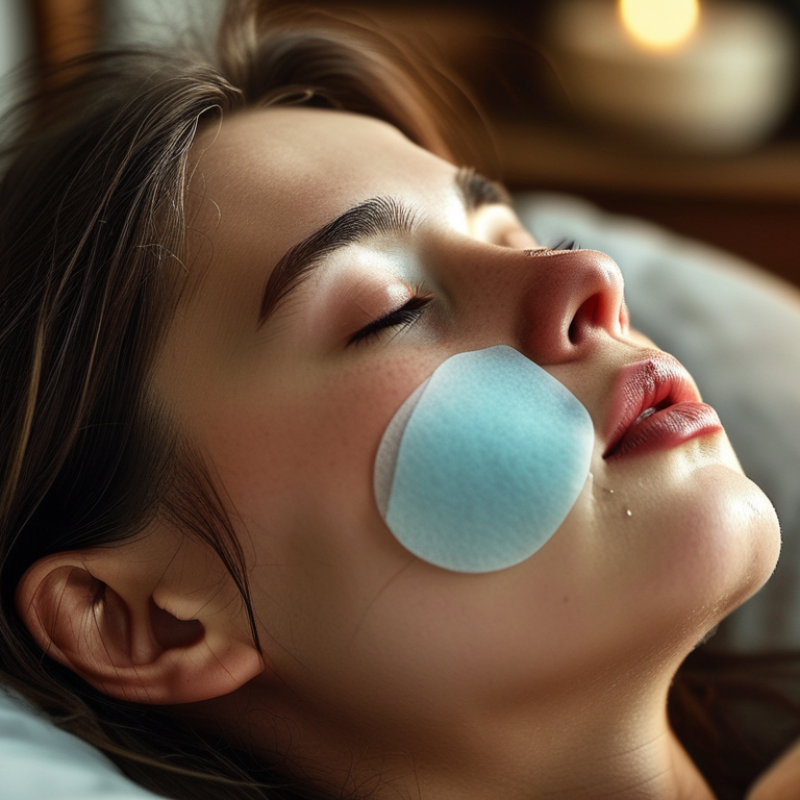
Top Breathing Strips for Better Sleep and Easier Breathing?

What Breathing Strips Are and How They May Improve Nasal Airflow

Top Breathing Strips for Better Sleep and Easier Breathing?

Breathing strips are adhesive devices placed across the upper nose. Their flexible structure gently lifts the nasal sidewalls. This may create more room at the nostrils, especially during allergy season or mild nighttime congestion. Some users notice easier airflow within minutes. The effect is mechanical, not medicinal. It does not open the throat or prevent airway collapse.

Evidence remains mixed. A systematic review in Sleep Medicine Reviews reported limited proof that external nasal dilators improve sleep quality or treat obstructive sleep apnea. The American Academy of Sleep Medicine estimates that about 30 million U.S. adults have obstructive sleep apnea. Many cases remain undiagnosed, according to its public health reporting. A strip may reduce the feeling of blocked breathing, but it cannot replace clinical testing or prescribed treatment.

Fit matters more than appearance. Clean, dry skin helps the adhesive stay secure through the night. Placement should sit above the nostril flare, without pulling the skin sharply. Remove it slowly if irritation appears. Sensitive skin can react.

Small comfort, sometimes.

People often judge success by quieter breathing. That measure is imperfect. A wearable sleep monitor or clinician-led evaluation gives stronger evidence. Persistent snoring, morning headaches, witnessed pauses, or daytime sleepiness deserve medical attention. A strip can support nasal airflow, but it should not create false reassurance.

Key Features to Compare When Choosing Breathing Strips

Choosing breathing strips should begin with fit, not flashy claims.

The CDC reports that about one in three U.S. adults do not get enough sleep. Better nasal airflow may help some sleepers, but strips cannot correct every cause of nighttime breathing difficulty.

Compare the adhesive first. It should hold through several hours without pulling the skin. Hypoallergenic materials matter, especially after shaving or washing the face. Check strip width, flexibility, and lifting force. A rigid strip may open the nostrils well but feel irritating by morning. A softer design can feel comfortable yet provide less support. Small differences matter.

Also inspect ventilation and residue. A strip that traps sweat may loosen near the nose. Clear sizing instructions are useful, although they are not always precise. I would test one size during a short nap before using it overnight. Personal experience can reveal pressure points that product measurements miss. The American Academy of Sleep Medicine warns that nasal strips are not a treatment for obstructive sleep apnea. A review in the Journal of Clinical Sleep Medicine also found limited effects on objective sleep measures, including apnea severity and oxygen levels. If loud snoring, gasping, or morning headaches continue, professional assessment is more appropriate than simply choosing a stronger strip.

Top Breathing Strip Types for Sleep and Easier Breathing

Breathing strips can make nighttime breathing feel easier, but different types suit different needs.

External nasal strips use flexible supports across the nose. They gently widen the nasal passages without entering them. Internal nasal dilators sit inside the nostrils and may provide a stronger opening effect. Some people prefer their cleaner appearance, while others find them uncomfortable.

Material matters, especially for sensitive skin. Look for latex-free adhesive, smooth edges, and a size that fits your nose. A strip should feel secure, not tight or painful. Clinical experience suggests these products may help nasal airflow, particularly during congestion or exercise. However, they do not treat sleep apnea, asthma, or serious breathing disorders.

I once assumed a stronger strip would work better, but it only irritated my skin. That was a useful reminder: comfort matters more than force.

Tips: Clean and dry your nose before applying an external strip. Test it during the day before sleeping with it overnight. Remove it slowly after wetting the adhesive. Stop using it if redness, swelling, or persistent discomfort appears. If loud snoring, gasping, morning headaches, or daytime fatigue continue, speak with a qualified healthcare professional. A nasal strip may support easier breathing, but it cannot replace proper diagnosis.

How to Apply, Wear, and Remove Breathing Strips Safely

Breathing strips can gently lift the skin around the nose and make nasal airflow feel easier. They do not open the throat or treat sleep apnea. Choose a strip made for external nasal use, with a size that fits your nose without covering the nostrils. Clean and dry the skin first. Avoid moisturizer, oil, cuts, sunburn, or irritated areas.

Place the strip across the bridge of your nose, not over the soft tip. Press the center down, then smooth both ends for several seconds. It should feel secure, not tight or painful. Wear it only for the period shown on its packaging, often during sleep or exercise.

Stop if you notice itching, swelling, rash, dizziness, or difficult breathing. Comfort matters more than a strong pulling sensation.

Remove the strip slowly after softening it with warm water. Peel from one edge toward the center, rather than pulling upward sharply. A little adhesive residue can be cleaned with mild soap and water. Do not reuse a single-use strip.

I used to think stronger adhesion meant better support, but that can increase skin damage. A comfortable strip is not proof of better sleep. Persistent snoring, gasping, morning headaches, or daytime tiredness deserves medical advice, especially when nasal blockage continues. Children, people with sensitive skin, and anyone with breathing disorders should ask a healthcare professional before use.

Limitations, Possible Side Effects, and Suitable Users

Top Breathing Strips for Better Sleep and Easier Breathing?

Breathing strips gently pull the skin around the nose outward. They may help people with narrow nasal passages, nighttime congestion, or mild exercise-related breathing discomfort. The effect is mechanical, not medical. A Cochrane review found nasal dilators did not significantly improve apnea severity or oxygen levels. Evidence quality was also limited. That matters.

They cannot treat obstructive sleep apnea. The American Academy of Sleep Medicine estimates that about 80% of people with moderate or severe sleep apnea remain undiagnosed. Loud snoring, gasping, morning headaches, and daytime sleepiness deserve clinical assessment. A strip may make airflow feel easier while the throat still collapses during sleep. That false reassurance is a real concern.

Possible side effects include redness, itching, peeling, and discomfort when removed. People with sensitive skin or adhesive allergies should test a small area first. Avoid damaged skin. Adults with occasional nasal blockage may be reasonable users, especially after discussing persistent symptoms with a clinician. Children, pregnant users, and people with suspected sleep apnea need more individual guidance. Use may also fail during severe congestion. Sometimes the strip simply comes loose before morning. Further research should compare different nasal shapes, skin types, and long-term use, because current studies remain small and uneven.

Contact Us

Feel free to contact us anytime for questions, support, or assistance. We're here to help you with any inquiries you have.

  • Address: 10220 S. Dolfield Rd Suite 110
    Owings Mills, MD, 21117
  • Email: sale@oshanbeauty.com
  • Call Us: (410) 356-0000
  • Working hours:

    Monday – Friday: 9am – 5pm
    Saturday and Sunday: Closed

Latest Posts

Laser Hair Removal Maryland: 10 Common Myths Debunked by Experts

What if the repetitive cycle of razor burn and painful ingrown hairs wasn't a...
Read More

Body Sculpting in Owings Mills: A Medical Guide to Non-Surgical Contouring

What if you could finally address those persistent areas of fat without a single...
Read More

Laser Skin Rejuvenation in Owings Mills: Your Guide to a Radiant Complexion

Your skin is a living organ, not a canvas for trial and error. If...
Read More

GentleCure: Non-Surgical Skin Cancer Treatment in Maryland

What if you could eliminate your skin cancer with the same precision as surgery,...
Read More

ARTAS Robotic Hair Transplant: What to Expect

Are you struggling with hair loss and the self-consciousness that often comes with it?...
Read More
Call Us Appointments

Accessibility Tools

Increase TextIncrease Text
Decrease TextDecrease Text
GrayscaleGrayscale
Invert Colors
Readable FontReadable Font
Reset