
Blog
China Top Sodium L Aspartate Manufacturers and Suppliers
China has a broad network of chemical manufacturers and trading suppliers, but names alone do not establish product suitability. Buyers comparing Sodium L-Aspartate sources should look beyond catalog descriptions. Grade, assay, moisture limits, packaging, and intended application all matter. The same product name may cover different specifications.
For a practical supplier review, request a current technical data sheet and certificate of analysis. Check whether the listed test methods and batch details match your requirements. Ask about production capacity, lead times, sample availability, and packaging options, such as sealed bags or drums. These details affect storage and logistics. They also reveal how clearly a supplier communicates.
Quality claims need evidence. Buyers can ask about documented quality controls, traceability, and procedures for handling nonconforming batches. If the material is intended for a regulated or sensitive application, verify suitability directly with the supplier and your own qualified team. Do not assume that one grade fits every use. Small differences matter. This guide introduces China-based Sodium L-Aspartate manufacturers and suppliers, with attention to practical screening criteria rather than unsupported rankings. Public information can be incomplete, and a polished website is not proof of consistent performance. That is worth remembering. Compare documents, clarify unanswered questions, and confirm commercial terms before placing an order. A careful review takes time, but it can prevent avoidable surprises.
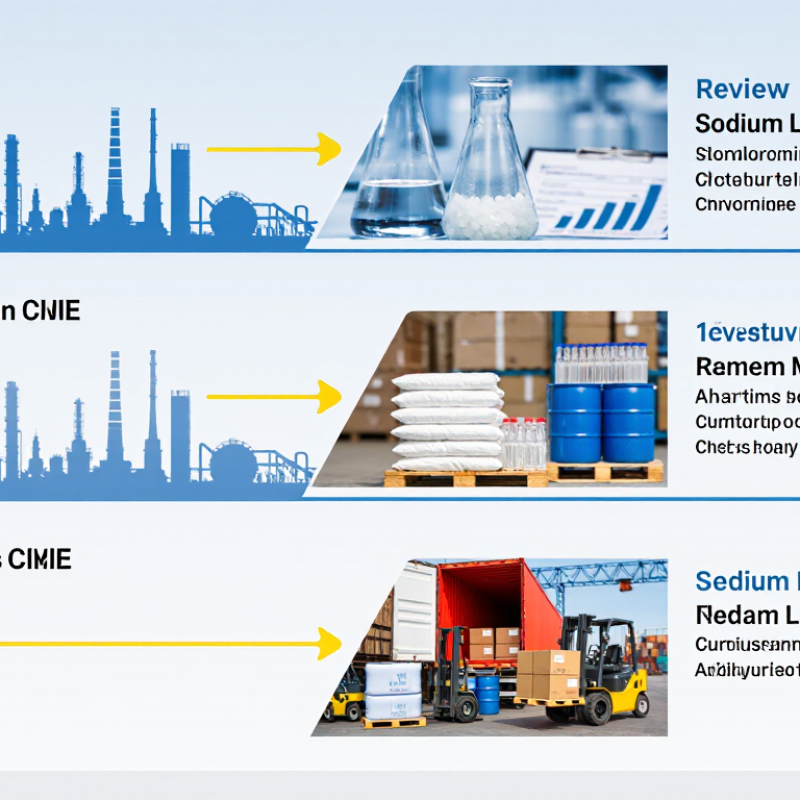
What Is Sodium L-Aspartate and Where Is It Used?
Sodium L-aspartate is the sodium salt of L-aspartic acid, a naturally occurring amino acid. It dissolves in water and supplies both aspartate and sodium ions. NIH PubChem lists its anhydrous molecular weight as 155.09 g/mol; commercial material may differ if hydrated. Small detail, but it matters when weighing ingredients or preparing solutions. It is not aspartame, the high-intensity sweetener. That distinction is easy to miss.
In practice, sodium L-aspartate is used in biochemical research and some fermentation or formulation processes as an aspartate source. It may support cell or microbial metabolism, though the right concentration depends on the organism and recipe. The FAO/WHO JECFA database provides technical specifications for amino-acid-related substances, a useful reference when checking identity and purity. For market context, Grand View Research estimated the global amino acids market at USD 27.1 billion in 2023; this broad figure does not measure sodium L-aspartate demand specifically. Buyers should compare assay, moisture, solubility, and intended-use documentation. One limitation remains: published market data rarely isolates this salt from the wider amino-acid category.
How Is Sodium L-Aspartate Produced in China?
In China, sodium L-aspartate production commonly begins with L-aspartic acid made through an enzymatic reaction. Aspartase converts fumaric acid and ammonia into the L-form under controlled conditions. The reaction mixture is monitored for temperature, pH, and conversion. Small changes matter. The resulting material is separated from unreacted ingredients and clarified before salt formation.
Sodium L-aspartate is then prepared by carefully neutralizing L-aspartic acid with a sodium source, such as sodium hydroxide. Producers adjust the pH, concentrate the solution, and crystallize the product.
Filtration, drying, and sieving help create a consistent powder. Not always. Crystallization conditions can affect moisture and hydrate form, so a simple process description may hide meaningful differences between batches.
Quality checks typically cover identity, assay, moisture, and relevant residuals. Buyers can request batch specifications and test methods, rather than relying on a general purity claim. These details make production easier to evaluate.
What Quality Standards Apply to Chinese Sodium L-Aspartate?
For Chinese sodium L-aspartate, the applicable requirements depend on its intended use: food, pharmaceutical, or industrial. Food buyers should check the current GB 2760 rules for permitted additive use, alongside any product-specific national standard that applies. Do not assume a general food-additive rule is a complete purity specification. Confirm the exact grade and legal use before ordering.
A supplier’s certificate of analysis should identify the test method and report batch-specific results. Key checks may include identity, assay, moisture, pH, and relevant contaminants; microbiological limits should match the intended application. Ask for traceable sampling records and independent laboratory results when risk warrants them. Small details matter. A polished certificate is not proof that every lot meets its limits.
Quality systems help, but they do not replace product testing. The ISO Survey 2022 reported more than 1.26 million ISO 9001 certificates across 189 countries and economies. That figure shows the standard’s broad adoption, not that any particular ingredient is compliant. Evaluate audit scope, change control, and complaint handling directly. One practical weakness: buyers sometimes compare assay figures from different methods, then treat them as equivalent. They may not be.
Who Are the Leading Sodium L-Aspartate Manufacturers in China?
China’s leading sodium L-aspartate manufacturers are best judged by production capability and documented quality, not by sales claims alone. There is no single public ranking that reliably identifies the top suppliers. Buyers should check whether a company manufactures the ingredient or mainly trades it. That distinction matters. Ask for evidence of batch consistency, traceability, and quality controls.
A useful first review includes a current specification sheet, certificate of analysis, and safety data sheet. Compare assay, moisture, appearance, and other agreed parameters across recent batches. For food or pharmaceutical applications, confirm that testing and documentation match the intended grade and applicable requirements. Ask how raw materials are tracked and how deviations are handled. Details count. A clear answer is better than a polished brochure.
Request a representative sample and assess its appearance, solubility, and performance in your process. These checks do not replace laboratory testing. They can reveal practical differences early. One point is easy to overlook: a low quoted price may not include testing, packaging, or shipping costs. I would avoid choosing a supplier from one quotation alone; that judgment can be imperfect, but comparing complete documents and terms gives buyers a more dependable basis for evaluating Chinese manufacturers.
How to Evaluate and Select a Reliable Chinese Supplier?
China Top Sodium L Aspartate Manufacturers and Suppliers
How to Evaluate and Select a Reliable Chinese Supplier?
Selecting a Chinese sodium L-aspartate supplier takes more than comparing quotations. Request a current specification, a lot-specific certificate of analysis, and the test methods behind each result. Check assay, water content, appearance, and relevant impurity limits against your intended application. Ask whether an independent laboratory can verify a pre-shipment sample. The ISO Survey of Management System Standard Certifications (2022) reported about 1.27 million valid ISO 9001 certificates worldwide. This shows certification is common, not that every product or batch meets your needs. Treat it as one screening point. A neat certificate is not the whole story.
Tips: Check that the sample, COA, and shipped lot share a traceable batch number. Ask for the safety data sheet, packaging details, shelf life, and storage conditions. Arrange a video or third-party audit to review production controls, calibration records, and document practices. Compare responses for detail, not speed alone. If a supplier cannot explain a test result clearly, pause and ask again. That small delay may be useful.
Before placing a large order, agree on written acceptance criteria and change-notification terms. Confirm lead time, minimum order quantity, export packaging, and how deviations are handled. Keep a retained sample from the approved batch for comparison. Supplier documents can look consistent, yet practical checks sometimes reveal gaps; I would not treat any single audit or test as perfect evidence. A reliable decision combines records, sample verification, and direct communication.
How to Evaluate a Chinese Sodium L-Aspartate Supplier
Suggested buyer-assigned evaluation weights (%) for comparing suppliers. These are a decision-making framework, not market-survey results.
Prioritize a clear product specification and batch-specific Certificate of Analysis (COA). Verify identity, assay, impurity limits, and other tests against the grade and purchasing specification you require. Review quality-system evidence, traceability, testing capability, delivery performance, and commercial terms before making a selection.
Article Source:
Contact Us
Feel free to contact us anytime for questions, support, or assistance. We're here to help you with any inquiries you have.
- Address: 10220 S. Dolfield Rd Suite 110
Owings Mills, MD, 21117 - Email: sale@oshanbeauty.com
- Call Us: (410) 356-0000
- Working hours:
Monday – Friday: 9am – 5pm
Saturday and Sunday: Closed
