Top 10 Injectable Treatments for Aesthetic Enhancements?
Injectable treatments have transformed the landscape of aesthetic enhancements. These procedures offer quick and noticeable results, making them popular choices for many individuals seeking to boost their appearance. With various options available, it is essential to explore the top treatments in the market.
Experts in dermatology and cosmetic surgery offer valuable insights into these injectable treatments. They emphasize the importance of understanding each option's unique benefits and potential risks. As consumers become more informed, the demand for safe and effective procedures continues to grow.
However, not all injectable treatments are created equal. Some may lead to unexpected results or complications. It is crucial to choose a qualified provider who prioritizes patient safety and uses FDA-approved products. Reflecting on personal goals and preferences can lead to more satisfying outcomes in aesthetic enhancements.
Overview of Injectable Treatments for Aesthetic Enhancements
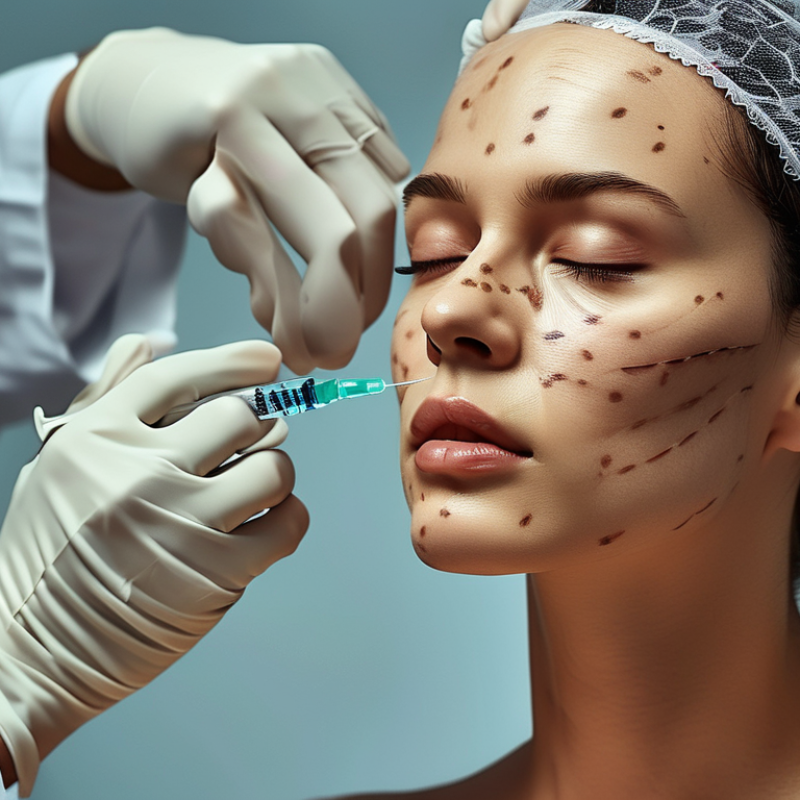
Injectable treatments have gained immense popularity in aesthetic enhancements. They offer a non-invasive solution for individuals seeking to enhance their features or reduce signs of aging. Various options, including dermal fillers and neuromodulators, help in achieving youthful looks without surgery. These treatments target areas like lips, cheeks, and forehead lines, providing immediate results with minimal downtime.
Consulting a qualified professional is crucial before any procedure. Understanding your goals and having realistic expectations can influence your experience. It's important to discuss any underlying health conditions that may affect treatment. Results vary based on the product and the individual's unique anatomy.
Some individuals may experience side effects, such as swelling or bruising. While these effects are often temporary, it's essential to stay informed. Researching best practices can enhance safety and efficacy. Consider following a certified specialist who stays updated with the latest techniques and products. Choose a practitioner with extensive experience to ensure optimal results and minimize risks associated with injections.
Types of Injectables: Fillers vs. Neuromodulators
Injectable treatments offer significant aesthetic advantages. Two primary categories dominate this field: fillers and neuromodulators. Fillers are typically used to add volume and enhance facial contours. They can smooth wrinkles and plump up areas like the cheeks and lips. Commonly, hyaluronic acid is the main ingredient in these products, drawing moisture into the skin. This can result in a natural, youthful appearance.
Neuromodulators, on the other hand, focus on reducing muscle activity. They work by temporarily blocking signals from nerves to the muscles. This leads to a decrease in fine lines and wrinkles, particularly around the forehead and eyes. Results are often subtle but can have a major impact. Both treatments require a skilled practitioner to achieve desired outcomes. Each procedure carries potential risks and requires careful consideration.
The choice between fillers and neuromodulators often depends on individual goals. Some people may want immediate volume, while others may prioritize wrinkle reduction. Both types of injectables should be discussed during a consultation with a qualified professional. Understanding these options is crucial for making informed decisions. Each treatment carries unique benefits and challenges, making it essential to weigh the pros and cons.
Top 10 Injectable Treatments: Efficacy and Safety Profiles
Injectable treatments for aesthetic enhancements have gained significant traction in recent years. Patients seek these options for their effectiveness and perceived safety. Treatments like neuromodulators and dermal fillers can provide noticeable results. Yet, it's essential to understand their efficacy and safety profiles before proceeding.
Efficacy varies among treatments. For instance, neuromodulators reduce wrinkles by targeting muscle movement. They are quick and generally well-tolerated. Conversely, dermal fillers restore lost volume, enhancing facial contours. However, potential side effects exist. Common reactions include swelling, bruising, and in rare cases, lumps. Professionals emphasize the importance of choosing a qualified practitioner to minimize risks.
Safety is a critical consideration. Even certified providers can’t guarantee perfection. Some patients experience dissatisfaction due to unrealistic expectations. Regular follow-ups and open communication with your provider are crucial. Understanding the long-term implications of these treatments is vital. Not all results are permanent, and recurring procedures may be necessary. Evaluating these aspects helps ensure informed decisions in the journey of aesthetic enhancement.
Top 10 Injectable Treatments for Aesthetic Enhancements
| Treatment |
Efficacy |
Safety Profile |
Duration of Results |
| Botulinum Toxin Type A |
High (reduces wrinkles effectively) |
Generally safe with mild side effects |
3-6 months |
| Hyaluronic Acid Fillers |
High (volumizing and hydrating) |
Low risk, possible bruising |
6-12 months |
| Calcium Hydroxylapatite |
Moderate to High (promotes collagen) |
Considered safe, occasional swelling |
12-18 months |
| Poly-L-lactic Acid |
High (stimulates collagen production) |
Potential for allergic reactions |
2-3 years |
| Platelet-Rich Plasma (PRP) |
Moderate (natural rejuvenation) |
Minimal side effects |
Varies by individual |
| Kybella (Deoxycholic Acid) |
High (fat reduction) |
Generally safe with swelling |
Permanent fat reduction |
| Sculptra (Poly-L-lactic Acid) |
High (restores facial volume) |
Possible swelling or bruising |
Up to 2 years |
| Argireline |
Moderate (anti-aging) |
Generally safe with few allergies |
Short-term |
| Mesotherapy |
Moderate (fat loss and rejuvenation) |
Mild bruising and swelling |
Variable |
| Botulinum Toxin Type B |
Moderate (alternative for resistant cases) |
Similar to type A but with different effects |
3-6 months |
Considerations Before Undergoing Injectable Treatments
Considering injectable treatments for aesthetic enhancements involves several key factors. It’s important to research thoroughly before making any decisions. Understanding the types of injectables available helps in making an informed choice. Popular options include dermal fillers and neuromodulators, each serving different purposes. For instance, fillers can add volume, while neuromodulators can reduce the appearance of wrinkles.
Beyond the types of treatments, potential side effects must not be overlooked. Common reactions include swelling, bruising, and redness at injection sites. Some may even experience more serious complications. These risks highlight the importance of consulting a qualified professional. The experience and qualifications of the injector greatly affect outcomes. A practitioner’s portfolio can provide insights, so reviewing past results is beneficial.
Aftercare is another crucial aspect, as following proper guidelines ensures the best results. However, not all clients respond similarly, and some may need adjustment. Setting realistic expectations is vital. It's essential to remember that injectable treatments are not permanent solutions. Regular follow-ups and additional treatments may be necessary to maintain desired effects. Engaging in open communication with your practitioner can help identify the most appropriate approach tailored to individual needs.
Post-Treatment Care and Maintenance for Optimal Results
Post-treatment care is crucial for achieving the best results from injectable aesthetic enhancements. After receiving treatment, patients should avoid direct sunlight and extreme temperatures. This helps reduce the risk of inflammation and promotes quicker healing. Using a gentle cleanser and avoiding harsh exfoliants can also support skin recovery. Hydration plays a pivotal role, so drinking plenty of water is recommended.
It’s normal to experience some swelling or bruising after treatment. Applying a cold compress can provide relief. However, it’s important to monitor these symptoms closely. If swelling persists or worsens, seeking professional advice is vital. Regular follow-ups with a qualified practitioner can help assess results and determine if additional treatments are needed.
Maintenance is just as important as the initial treatment. Patients should adopt a skincare routine tailored to their needs, including moisturizing and using sunscreen. A balanced diet and healthy lifestyle can enhance results. Reflecting on one’s treatment journey allows for adjustments in future sessions, ensuring that personal aesthetic goals are met realistically and safely.