What Are the 2026 Top Injectable Treatment Types?

What will define the leading Injectable Treatments in 2026? Popularity alone cannot answer that question. Clinical evidence, patient demand, treatment longevity, and safety oversight must be considered together. The International Society of Aesthetic Plastic Surgery reported more than 19 million non-surgical aesthetic procedures worldwide in its 2023 Global Survey. That figure shows strong demand, but it does not prove that every fast-growing treatment is equally suitable.

This guide examines the main injectable categories expected to shape the 2026 market. Botulinum toxin remains central for temporary muscle relaxation and wrinkle reduction. Hyaluronic acid fillers continue to support facial volume restoration and contour refinement. Biostimulatory injectables may attract attention because they encourage gradual changes rather than immediate filling. Other categories include injectable treatments for skin quality, localized fat reduction, and medically supervised regenerative applications. Their availability differs across countries.

The American Society of Plastic Surgeons’ 2023 procedural statistics also show sustained consumer interest in neuromodulators and dermal fillers. However, market reports often combine different products, indications, and provider settings. Comparisons can therefore become imperfect. That limitation deserves attention.

Safety comes before novelty. The U.S. Food and Drug Administration warns that injectable fillers can cause serious complications when improperly administered. Qualified clinicians should assess anatomy, medical history, product approval, and realistic outcomes. The discussion will therefore compare demand with evidence, product purpose, recovery, duration, and known risks. Some predictions may age quickly. That is the honest part. The “top” injectable treatment may vary by region, patient goal, and clinical judgment.
What Are the 2026 Top Injectable Treatment Types?

Botulinum Toxin: The 2026 Leader After 9.48 Million U.S. Treatments in 2023

As 2026 approaches, injectable treatment choices continue to expand. Botulinum toxin remains a leading option for expression-related facial lines. Widely cited U.S. procedure data recorded 9.48 million treatments in 2023, placing it at the center of aesthetic discussions. That figure counts treatments, not unique patients. One person may receive several sessions.

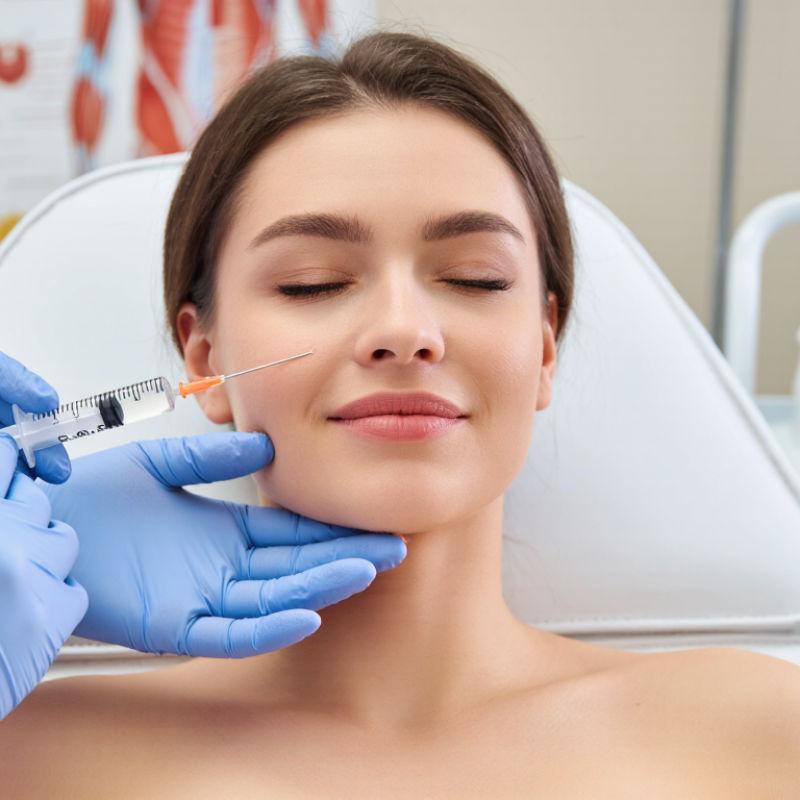
Botulinum toxin temporarily reduces nerve signals that activate selected muscles. Clinicians commonly use it for forehead lines, frown lines, and crow’s feet. Results usually develop over several days and may last for a few months. The face should still move. Subtlety matters. Excessive treatment can produce a stiff appearance or uneven expression. Careful assessment should include facial anatomy, muscle strength, medical history, and personal goals.

Dermal fillers form another major injectable category. They add volume, while botulinum toxin changes muscle activity. The choice is not interchangeable. A hollow cheek, etched line, and muscular brow need different clinical reasoning. Treatment should involve a qualified medical professional, clear consent, sterile technique, and realistic expectations. Questions about dose, product handling, side effects, and emergency planning deserve direct answers. Evidence is reassuring, but not perfect. Individual responses vary, and procedure counts cannot explain every patient’s experience. Popularity alone cannot prove suitability.

What Are the 2026 Top Injectable Treatment Types?

Botulinum toxin was the leading injectable treatment in the United States, with approximately 9.48 million procedures recorded in 2023.

U.S. procedure volumes shown in millions. Source: American Society of Plastic Surgeons, 2023 Plastic Surgery Statistics Report.

Hyaluronic Acid Fillers: 5.56 Million U.S. Procedures and 2026 Demand

Hyaluronic acid fillers remain one of the most requested injectable treatment types in the United States. Recent industry reporting recorded 5.56 million U.S. procedures, creating a strong reference point for 2026 demand. This figure reflects completed treatments, not a guaranteed forecast. Demand may continue rising as patients seek subtle changes, shorter recovery times, and personalized facial balancing.

Hyaluronic acid naturally attracts water, helping restore volume in areas such as the lips, cheeks, and smile lines. In clinical practice, results depend on anatomy, injection technique, product selection, and the patient’s expectations. A careful consultation should review medical history, previous treatments, allergies, and desired outcomes. The process may involve mild swelling, tenderness, or bruising. Rare complications require urgent medical attention.

Tips: Choose a qualified, licensed medical professional with relevant injection experience. Ask how the treatment will be tailored to your facial structure. Request clear information about expected results, aftercare, costs, and possible complications. Avoid making decisions from edited online images. Real faces vary.

The 5.56 million figure is impressive, but numbers can hide important differences. One procedure may mean a small touch-up, while another involves several treatment areas. That distinction deserves more attention in future demand analysis. Patients should value safe judgment over speed, popularity, or pressure to treat more areas.

Biostimulators: How Collagen-Inducing Injectables Expand the 2026 Market

What Are the 2026 Top Injectable Treatment Types?

Biostimulators are reshaping the 2026 injectable treatment market. Unlike traditional fillers, they encourage the skin to build more of its own structural support. Common materials include poly-L-lactic acid and calcium hydroxylapatite. Their effects usually develop gradually, often across several weeks or months. The result can look softer and less immediately obvious.

A trained medical professional should assess skin quality, facial movement, medical history, and treatment goals before injection. Good technique matters. So does patient selection. A practitioner may use a fine needle or cannula, depending on the area and product characteristics. Subtle changes may appear around the cheeks, jawline, neck, or hands. However, outcomes vary. Some patients respond unevenly, and one session may not create the expected improvement.

This treatment category is promising, but it is not magic. Collagen production declines with age, sun exposure, smoking, and hormonal changes. Biostimulators cannot reverse every factor. Temporary swelling, bruising, tenderness, or small lumps can occur, especially when aftercare is ignored. I also think the market sometimes presents “natural-looking” results too confidently. Natural does not mean risk-free. Patients should ask about the injectable’s approved use, expected timeline, alternatives, and the practitioner’s qualifications. Careful consent remains more valuable than a dramatic promise.

Deoxycholic Acid and Fat-Dissolving Injections: Targeted 2026 Uses

What Are the 2026 Top Injectable Treatment Types?

Deoxycholic acid and other fat-dissolving injections remain closely watched in 2026. Deoxycholic acid helps break down selected fat cells, especially beneath the chin, where a small, soft pocket can affect the jawline. Its use depends on local approval, practitioner training, and the patient’s anatomy. Other injectable formulas may contain different ingredients, so “fat dissolving” is not one uniform treatment. That distinction matters.

A qualified medical professional should examine skin laxity, muscle structure, fat depth, and medical history before treatment. Injections may cause swelling, bruising, tenderness, numbness, or temporary firmness. Rare but serious complications can occur when technique or product selection is poor. Results usually develop gradually, not overnight. Some people need several sessions, while others may need a different approach. Clinical evidence is also stronger for certain treatment areas than others. That is worth questioning.

Tips: Choose a licensed, experienced injector who explains the product, treatment area, expected timeline, and regulatory status. Ask what happens if swelling lasts longer than expected. Avoid promises of permanent perfection. Take clear photographs in consistent lighting, and allow full healing before judging the result. A subtle change can look natural; an uneven result may need review. LinkedIn-style claims are not medical evidence.

Emerging Injectable Therapies: Safety, Regulation, and 2026 Adoption Trends

By 2026, injectable treatment trends are moving toward precision, prevention, and shorter recovery times. Common categories include neuromodulators, hyaluronic acid fillers, collagen-stimulating injectables, and selected regenerative therapies. Each serves a different purpose, from relaxing targeted muscles to restoring volume or supporting skin structure. Popularity does not equal suitability.

Safety depends on more than the injection itself. Qualified clinicians should assess medical history, facial anatomy, allergies, medications, and treatment goals. They should also verify product authorization, storage conditions, sterile technique, training, and emergency readiness. That check matters. Regulatory status can differ sharply between countries, states, and specific indications. An ingredient permitted for one purpose may lack approval for another.

Adoption is increasing as patients request subtle results, limited downtime, and individualized treatment plans. Some clinics are combining injectables with energy-based or skincare procedures, but combination care can complicate risk assessment. Published evidence is growing, although certain regenerative approaches still lack strong long-term data. I have learned that confident marketing can hide uncertainty. Patients should ask about expected benefits, common reactions, rare complications, follow-up access, and who manages adverse events. Clear records and realistic consent remain essential, even when the procedure appears routine.

Contact Us

Feel free to contact us anytime for questions, support, or assistance. We're here to help you with any inquiries you have.

  • Address: 10220 S. Dolfield Rd Suite 110
    Owings Mills, MD, 21117
  • Email: sale@oshanbeauty.com
  • Call Us: (410) 356-0000
  • Working hours:

    Monday – Friday: 9am – 5pm
    Saturday and Sunday: Closed

Latest Posts

Laser Hair Removal Maryland: 10 Common Myths Debunked by Experts

What if the repetitive cycle of razor burn and painful ingrown hairs wasn't a...
Read More

Body Sculpting in Owings Mills: A Medical Guide to Non-Surgical Contouring

What if you could finally address those persistent areas of fat without a single...
Read More

Laser Skin Rejuvenation in Owings Mills: Your Guide to a Radiant Complexion

Your skin is a living organ, not a canvas for trial and error. If...
Read More

GentleCure: Non-Surgical Skin Cancer Treatment in Maryland

What if you could eliminate your skin cancer with the same precision as surgery,...
Read More

ARTAS Robotic Hair Transplant: What to Expect

Are you struggling with hair loss and the self-consciousness that often comes with it?...
Read More
Call Us Appointments

Accessibility Tools

Increase TextIncrease Text
Decrease TextDecrease Text
GrayscaleGrayscale
Invert Colors
Readable FontReadable Font
Reset