What is the Best Rosacea Treatment for Effective Relief?
Rosacea is a common skin condition affecting millions worldwide. It causes redness, visible blood vessels, and sometimes acne-like bumps. For many, finding effective relief can be overwhelming. Dr. Jennifer Lee, a well-known dermatologist specializing in Rosacea Treatment, emphasizes, "Understanding the individual triggers is key for successful management."
Choosing the right Rosacea Treatment involves considering various options, including topical creams, oral medications, and lifestyle changes. Each person's experience with rosacea is unique, making it crucial to tailor a treatment plan. In clinical practice, persistent symptoms often challenge both patients and healthcare providers.
Experts agree that patience and consistency are essential in managing the condition. While some treatments may show results quickly, others require ongoing dedication. Furthermore, potential side effects can complicate the decision-making process. Ultimately, it's important for patients to consult with a qualified professional to navigate their journey toward relief.
Understanding Rosacea: Symptoms and Triggers to Recognize
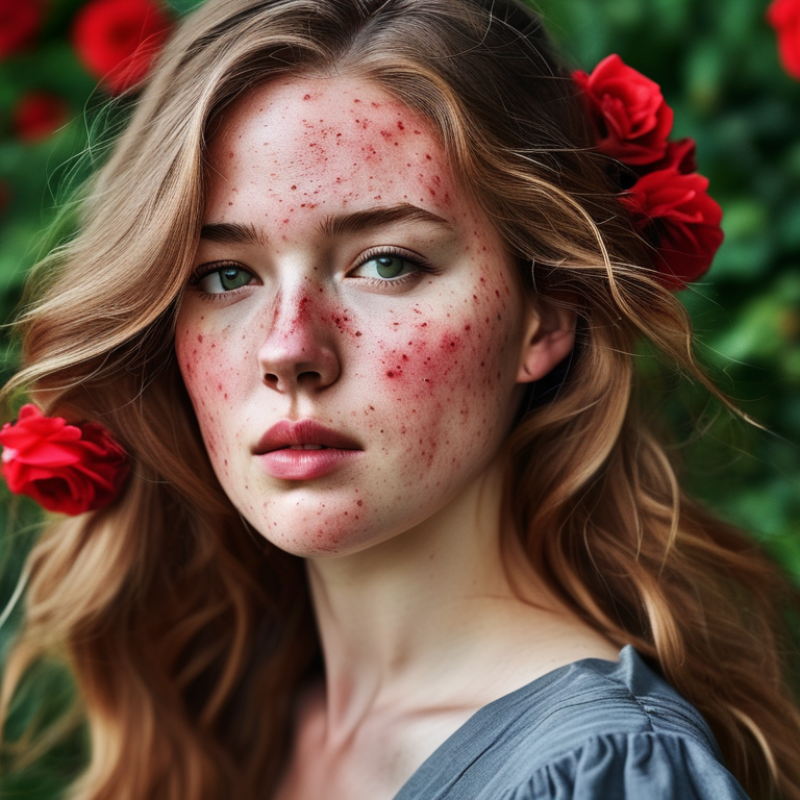
Rosacea is a chronic skin condition that often affects the face. Individuals with rosacea might experience redness, flushing, and visible blood vessels. Additionally, some may develop bumps that resemble acne. Identifying the symptoms early can lead to better management and relief.
Triggers vary from person to person, which makes management challenging. Common triggers include spicy foods, alcohol, heat, and stress. Some may even find that certain skincare products could worsen their symptoms. Understanding these triggers can provide valuable insight. Keeping a diary of flare-ups and potential triggers could help pinpoint specific causes.
While it’s important to seek professional advice, self-education plays a vital role. Gaining knowledge about rosacea can empower individuals. Be mindful of stress levels and dietary choices. It may take time to find effective strategies. The journey can be frustrating, but recognizing the signs is the first step toward relief.
Top Evidence-Based Treatments for Rosacea: A Review of Options
Rosacea is a common skin condition affecting about 16 million adults in the U.S. It can cause significant emotional distress. Effective treatments can provide relief and improve quality of life. Research shows that topical medications, such as metronidazole and azelaic acid, are well-supported by clinical evidence. In a study published in the Journal of the American Academy of Dermatology, 72% of participants using these treatments reported improvement within 12 weeks.
In addition to topicals, laser therapy has gained popularity. A report from the American Academy of Dermatology indicates that laser treatments can significantly reduce redness and visible blood vessels. Results often last for several months. Another viable option includes oral antibiotics like doxycycline. These can help manage inflammatory lesions and reduce flare-ups. Interestingly, patients may experience long-term benefits even after discontinuing treatment.
While many treatments exist, individual responses can vary greatly. Some people may find one option works better than others. Factors such as skin type and the severity of symptoms play a role. Continuous adjustments and consultations with a healthcare professional are essential. It’s important to recognize that finding the best treatment is often a journey, not a quick fix.
The Role of Topical Medications in Rosacea Management: A Closer Look
Topical medications play a crucial role in managing rosacea. They are often the first line of treatment. Many patients see improvement with consistent use. It can take weeks or even months to find the right product. Patience is essential.
Common treatments include antibiotics and retinoids. These medications reduce inflammation and improve skin texture. Some are available over the counter, while others require a prescription. Users need to be cautious. Skin sensitivity can increase with topical treatments. It’s vital to monitor any adverse effects closely.
Every individual reacts differently to these treatments. What works well for one may not work for another. This variability highlights the importance of professional guidance. A dermatologist can provide tailored advice. Regular follow-ups can help adjust treatment plans as needed. This ensures that patients achieve the best possible results in managing rosacea effectively.
What is the Best Rosacea Treatment for Effective Relief?
| Treatment Type |
Description |
Effectiveness |
Common Side Effects |
| Topical Antibiotics |
Used to reduce inflammation and redness. |
Moderate effectiveness. |
Dryness, irritation. |
| Azelaic Acid |
Helps to unclog pores and reduce bumps. |
High effectiveness. |
Stinging, burning. |
| Topical Retinoids |
Promotes skin cell turnover and reduces redness. |
Effective for some patients only. |
Peeling, dryness. |
| Brimonidine Gel |
Targets facial redness by constricting blood vessels. |
Quick relief of redness. |
Flushing, burning sensation. |
| Ivermectin Cream |
Effective against inflammatory lesions. |
High efficacy in reducing lesions. |
Irritation, pruritus. |
Oral Antibiotics and Their Efficacy in Severe Rosacea Cases
Oral antibiotics have become a crucial part of treating severe rosacea. Research indicates that approximately 80% of patients experience a significant reduction in symptoms after starting antibiotics. Doxycycline and minocycline are the most commonly prescribed options due to their anti-inflammatory properties. These medications work by targeting the bacteria linked to rosacea, which can exacerbate flare-ups.
Clinical studies show that 60% of patients noted improvement within four to six weeks of treatment. However, not all patients respond equally. Some might experience side effects, such as gastrointestinal upset or sun sensitivity. This variability highlights the necessity for individualized treatment plans. Regular follow-ups with a healthcare provider are essential to monitor progress and adjust dosages when necessary.
While antibiotics provide relief, they aren't a standalone cure. Patients often require a combination of treatments. Lifestyle changes, like avoiding triggers, are vital in managing this condition. Certain diets or skincare routines can also play a role in the overall effectiveness of the treatment. Understanding the nuances of rosacea can empower patients to engage more effectively in their care.
Lifestyle Modifications: Long-Term Strategies for Rosacea Relief
Managing rosacea involves more than treatments; lifestyle modifications play a pivotal role. Increased sun exposure, stress, and spicy foods can exacerbate symptoms. Data from the National Rosacea Society indicate that around 78% of people with rosacea identify these triggers. By minimizing exposure to these factors, individuals may achieve long-term relief.
Hydration is vital. Drinking sufficient water helps maintain skin elasticity and reduces flare-ups. Diet changes can also make a significant difference. Incorporating anti-inflammatory foods like fish, leafy greens, and berries may help. Additionally, a regular skincare routine that includes gentle cleansers and moisturizers can soothe the skin effectively.
Understanding personal triggers requires self-reflection and awareness. Keeping a journal to document flare-up instances can help identify patterns. Consider slightly reducing alcohol intake, as studies show a strong link between it and rosacea flare-ups. Adjusting everyday habits is not an overnight fix. It requires persistence, but small changes can lead to noticeable improvements over time.
What is the Best Rosacea Treatment for Effective Relief?
The chart above illustrates the effectiveness of various treatments for rosacea on a scale of 1 to 10. Topical treatments and skin care routines have shown to be significantly effective, while lifestyle modifications also play a crucial role in managing the condition.