7 Best Laser Facial Machines for Clinics in 2026

Laser facial treatments have moved from specialist-only procedures into a crowded market of clinic technologies. Choosing among them is not simply a matter of power or price. Wavelength, pulse duration, cooling, treatment indications, and staff training all affect the patient experience and the results a clinic can reasonably expect.

Industry data shows why careful evaluation matters. The American Society of Plastic Surgeons’ 2023 procedural statistics report recorded more than 3.7 million skin-resurfacing procedures in the United States, including laser-based treatments. ISAPS’s 2023 Global Survey also documents the continuing scale of aesthetic procedures worldwide. These figures describe broad treatment categories, not demand for any one device. That distinction is easy to miss.

As laser specialist Dr. Tina Alster’s clinical work underscores, device selection should be matched to the patient, treatment goal, and operator expertise. A useful way to express that principle is: “Choose the technology around the treatment plan—not the treatment plan around the technology.” This is an editorial summary, not a verbatim quotation.

The seven machines in this guide are assessed for practical clinic considerations, including treatment versatility, workflow, safety features, and the quality of available evidence. No device is ideal for every skin type or concern. A polished brochure cannot replace hands-on training, appropriate patient assessment, or realistic discussions about outcomes and downtime. Some specifications may look impressive, but their clinical value deserves scrutiny. The best choice is the one a clinic can use competently and consistently.
7 Best Laser Facial Machines for Clinics in 2026

How Laser Facial Machines Work in Clinical Practice

In clinical practice, a laser facial machine delivers controlled light energy into selected skin targets. The wavelength determines what absorbs the energy: pigment, blood vessels, or water. Pulse duration and fluence then shape the thermal response. Some systems create microscopic treatment columns, leaving surrounding skin available for repair. Others heat broader areas without removing the surface. The visible result depends on biology, not the screen alone. Skin tone, thickness, oiliness, and recent sun exposure all matter.

A responsible session begins with medical history, skin examination, and realistic goals. The clinician checks medications, healing problems, active inflammation, and tanning. Photographs help, but they cannot replace judgment. Protective eyewear is fitted for everyone in the room. A test spot may reveal unexpected sensitivity. During treatment, the operator watches redness, swelling, discomfort, and endpoint changes. Cooling can reduce heat discomfort, yet it does not make careless settings safe. Settings are not recipes. Wavelength, pulse width, energy, passes, and cooling methods should be documented.

After treatment, gentle cleansing and barrier protection are usually emphasized. Patients may need strict sun avoidance and clear instructions about blistering, crusting, or persistent pain. Follow-up allows the clinician to assess healing before another session. No protocol is flawless. A lower setting may disappoint, while an aggressive one may prolong inflammation. That tension requires adjustment, documentation, and honest communication. In real clinics, consistency grows through training, maintenance checks, and review of outcomes—not attractive promises.

Key Criteria for Choosing a Clinic-Grade Laser Facial Machine

Choosing a clinic-grade laser facial machine requires more than comparing power ratings.

The device should match your treatment goals, patient profiles, and staff expertise. Check its wavelength options, pulse duration, spot size, and energy control. These features influence how safely the machine treats pigmentation, redness, texture, or unwanted hair.

Cooling is essential. Look for contact cooling, air cooling, or another reliable temperature-control system. A comfortable treatment often improves patient cooperation.

Ask for clear safety guidance, emergency procedures, and practical training. Protective eyewear must fit properly and suit the selected wavelength. Treatment records should include skin type, settings, reactions, and follow-up notes.

Do not choose the strongest machine automatically.

Higher energy can increase risk without improving results. Clinical evidence, service support, calibration, and replacement-part availability also matter. A dependable supplier should provide technical documents and realistic treatment guidance. Test the handpiece before purchase if possible. Notice its weight, cable movement, screen clarity, and cleaning requirements.

Some clinics overlook workflow. That mistake becomes expensive.

A machine that takes too long to prepare may reduce daily capacity. I also question impressive claims without independent evidence. Results vary with skin condition, operator skill, and aftercare. No device performs perfectly for every patient. Reassess your criteria after several months of real clinical use.

Seven Leading Laser Facial Machines for Clinics in 2026

Seven Leading Laser Facial Machines for Clinics in 2026

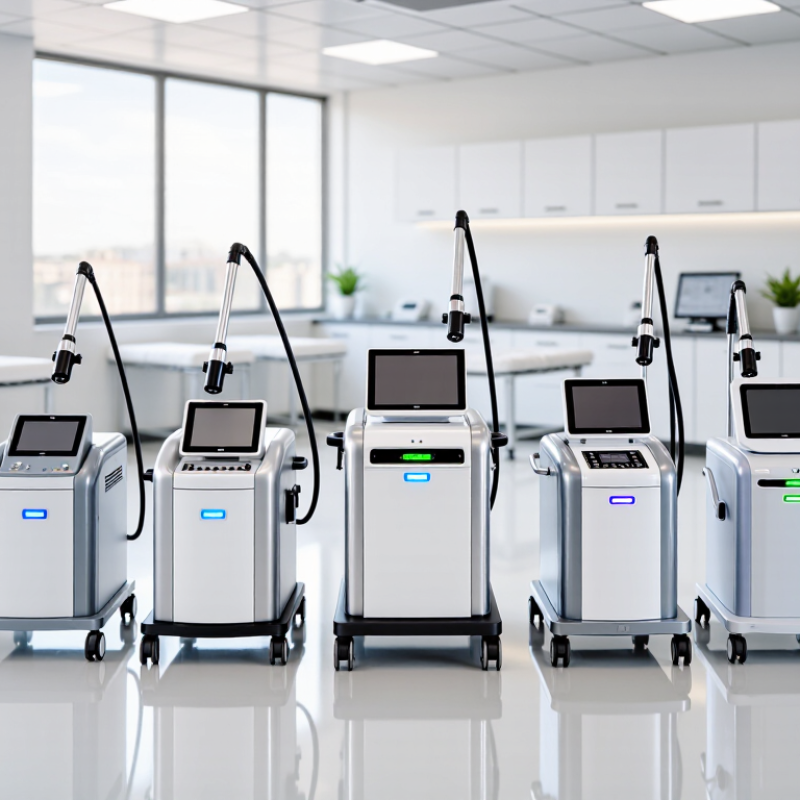
The leading clinic machines in 2026 should solve different facial concerns, not simply offer the strongest energy. A practical lineup may include fractional CO2, erbium, non-ablative fractional, picosecond, long-pulse Nd:YAG, vascular, and diode systems. Each platform suits different skin concerns, recovery expectations, and treatment depths. Fractional CO2 can improve pronounced texture, while erbium treatments may offer gentler resurfacing. Picosecond technology targets pigmentation and selected scars with short pulses. Non-ablative systems usually provide gradual improvement with less downtime. Clinical experience matters here. Skin response can vary more than brochures suggest.

Tips: Review wavelength, pulse duration, cooling, spot size, and adjustable fluence before purchasing. Ask for maintenance records and independent clinical evidence. Test the handpiece balance during a live demonstration. It affects operator fatigue. Also, confirm staff training and local authorization requirements before treatment. A beautiful interface cannot replace safe protocols.

Patient selection should guide the final decision. Darker skin tones may require cautious settings, test spots, and longer observation. Recent tanning, active infection, medication use, and unrealistic expectations deserve careful screening. Document baseline photographs under consistent lighting. Then track redness, pigmentation, texture, and patient comfort. No machine is perfect. Even experienced clinicians can misjudge recovery time. That is why a flexible platform, reliable service, and honest consultation often matter more than impressive specifications.

Comparing Machines by Treatment Type and Clinical Use

7 Best Laser Facial Machines for Clinics in 2026

Comparing machines by treatment type gives clinics a more useful guide than ranking power alone. Fractional CO2 lasers suit deeper wrinkles, acne scars, and selected resurfacing cases. Erbium:YAG systems remove tissue more precisely, often with shorter recovery. Non-ablative fractional lasers target texture and mild pigmentation while preserving the skin surface. Results are subtler. That matters.

Picosecond lasers use very short pulses for selected pigment concerns and some tattoo-related facial indications. Q-switched Nd:YAG systems can support pigment management, including certain deeper discolorations, when diagnosis is accurate. Long-pulsed Nd:YAG devices are useful for vascular or hair-reduction protocols, depending on wavelength and patient characteristics. Pulsed-dye systems are often considered for visible facial redness and superficial vascular lesions. Clinical indications vary by device and jurisdiction.

The best machine depends on patient volume, treatment goals, skin types, and operator training. A clinic treating acne scars may value fractional resurfacing more than a pigment-focused platform. A dermatology practice seeing frequent redness cases may need stronger vascular capability. Cooling, adjustable pulse settings, handpiece access, and service support deserve close inspection. Do not ignore documentation.

Skin assessment comes before settings. Fitzpatrick type alone is not enough. Recent tanning, medication history, active infection, and healing patterns can change risk. Conservative test spots are sensible, though they do not remove uncertainty. A perfect ranking is impossible. Even experienced clinicians can overestimate a device after a few dramatic cases. Record photographs, energy levels, recovery time, and adverse responses to improve future decisions.

7 Best Laser Facial Machines for Clinics in 2026

Comparison by treatment type, representative wavelength, and common clinical use. Wavelength values describe established laser categories and are not a ranking of clinical performance.

Ablative resurfacing

CO₂ and Er:YAG lasers remove controlled layers of skin to address wrinkles, texture irregularities, and selected scars.

Non-ablative rejuvenation

Long-pulsed Nd:YAG and diode systems deliver heat below the surface for vascular concerns, hair reduction, and collagen-focused treatments.

Pigment and vascular treatment

Alexandrite, pulsed-dye, and Q-switched Nd:YAG lasers are commonly selected for specific pigment or vascular indications.

Clinical selection depends on skin type, indication, treatment depth, pulse duration, cooling, operator training, and local regulatory requirements. Treatment should be performed by qualified medical professionals.

Safety, Training, and Maintenance Requirements for Laser Equipment

Choosing among the seven best laser facial machines for clinics in 2026 requires more than comparing treatment settings. Safety begins with a documented risk assessment for every procedure. Staff should understand wavelength, pulse duration, fluence, cooling, and tissue response. Training must include supervised practice, emergency procedures, and clear patient screening. Eye protection must match the device wavelength. Keep it accessible.

A practical clinic workflow includes medical history reviews, consent forms, patch testing, and photographs under consistent lighting. Operators should check skin sensitivity, recent procedures, medications, and healing problems before treatment. Never rely on automatic settings without clinical judgment. A machine may display normal readings while a handpiece sits unevenly on the skin. That small error can increase discomfort or injury risk.

Maintenance needs the same discipline as treatment planning. Staff should inspect cables, cooling systems, filters, foot pedals, and protective eyewear before each session. Record cleaning, calibration, software updates, faults, and service visits in a dated log. Manufacturer instructions and qualified technical support should guide repairs. Do not improvise with damaged parts. A neglected cooling unit can quietly affect treatment consistency. One weakness remains easy to miss: busy teams may sign checklists without truly inspecting equipment. Supervisors should audit these records and observe real procedures regularly. Safety culture is built through repeated, visible habits, not paperwork alone.

Contact Us

Feel free to contact us anytime for questions, support, or assistance. We're here to help you with any inquiries you have.

  • Address: 10220 S. Dolfield Rd Suite 110
    Owings Mills, MD, 21117
  • Email: sale@oshanbeauty.com
  • Call Us: (410) 356-0000
  • Working hours:

    Monday – Friday: 9am – 5pm
    Saturday and Sunday: Closed

Latest Posts

Laser Hair Removal Maryland: 10 Common Myths Debunked by Experts

What if the repetitive cycle of razor burn and painful ingrown hairs wasn't a...
Read More

Body Sculpting in Owings Mills: A Medical Guide to Non-Surgical Contouring

What if you could finally address those persistent areas of fat without a single...
Read More

Laser Skin Rejuvenation in Owings Mills: Your Guide to a Radiant Complexion

Your skin is a living organ, not a canvas for trial and error. If...
Read More

GentleCure: Non-Surgical Skin Cancer Treatment in Maryland

What if you could eliminate your skin cancer with the same precision as surgery,...
Read More

ARTAS Robotic Hair Transplant: What to Expect

Are you struggling with hair loss and the self-consciousness that often comes with it?...
Read More
Call Us Appointments

Accessibility Tools

Increase TextIncrease Text
Decrease TextDecrease Text
GrayscaleGrayscale
Invert Colors
Readable FontReadable Font
Reset