
Blog
7 Best Non Surgical Facelift Options for Global Buyers?
A refreshed face no longer requires a surgical theatre. Today, global buyers can explore several Non Surgical Facelift options with different levels of downtime, cost, and clinical evidence. These may include injectables, radiofrequency, ultrasound, laser treatments, thread lifting, platelet-rich plasma, and professional skin resurfacing.
The choices can look similar online. Their results are not identical. A warm tightening device may suit mild laxity. Dermal fillers may restore lost cheek volume. Threads can create a temporary lifting effect, but they require careful patient selection. Results also depend on skin thickness, facial movement, age, and the practitioner’s technique.
Dr. Woffles Wu, a Singapore-based facial plastic surgeon, has often stressed a valuable aesthetic principle: “The best result is one that looks natural.” That idea should guide every consultation. A face should not appear stiff, swollen, or strangely altered after treatment.
Global buyers also need to examine provider credentials, product approvals, hygiene standards, treatment photos, and follow-up arrangements. Regulations differ between countries. A product available in one market may not have the same approval elsewhere. Online reviews can help, but they cannot replace a medical assessment.
This guide compares seven popular approaches. It considers expected benefits, limitations, discomfort, recovery, and suitability. No treatment is risk-free. This guide cannot predict your skin’s response. That limitation matters. The safest decision usually begins with an independent consultation, realistic expectations, and time to reflect before booking.
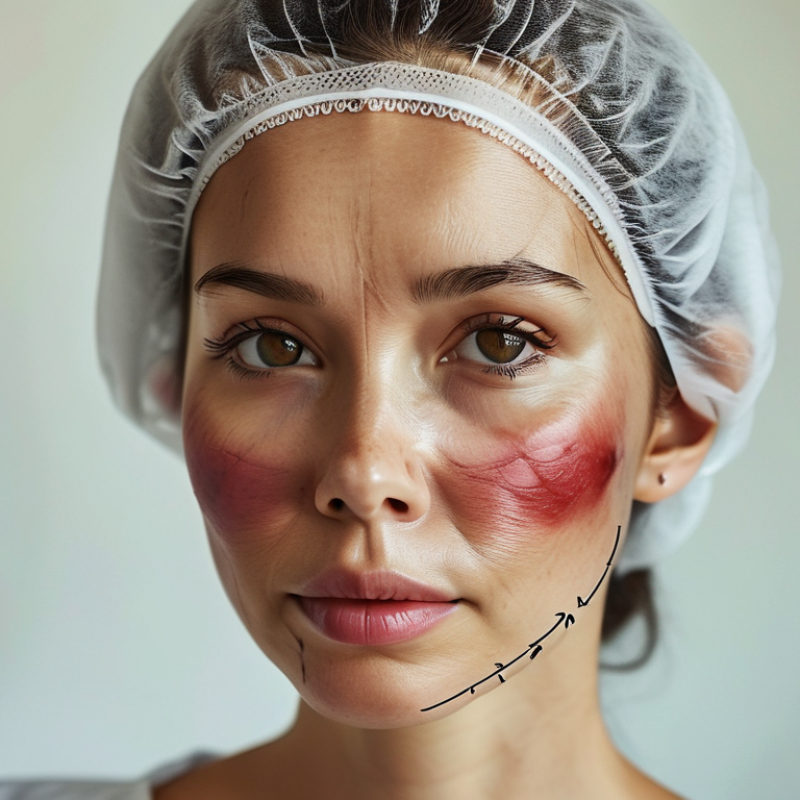
Defining Nonsurgical Facelifts: ASPS 2023 Reports 23.67M Minimally Invasive Procedures
A nonsurgical facelift is not a single treatment. It describes minimally invasive procedures that improve firmness, volume, texture, or facial contours without surgical incisions. The American Society of Plastic Surgeons reported 23.67 million minimally invasive cosmetic procedures in 2023. This figure reflects strong demand, but it represents United States data, not every global market.
Common options include injectable fillers, neuromodulators, radiofrequency, ultrasound, laser treatments, and collagen-stimulating procedures. Each works differently. Fillers may restore cheek volume, while energy-based treatments may gradually improve skin tightness. Results can vary with age, skin quality, facial anatomy, and the provider’s technique. A sharper jawline is not guaranteed.
Tips: Ask which procedure addresses your specific concern. Confirm the practitioner’s license and relevant training. Request clear information about ingredients, risks, downtime, and expected maintenance. For international buyers, check local regulations and product traceability. Never choose treatment from online photos alone.
A qualified consultation should include medical history, allergies, medications, and previous procedures. Swelling, bruising, asymmetry, or temporary numbness may occur. Serious complications are uncommon, but they require prompt medical attention. Pricing also deserves careful review, because low-cost packages may exclude follow-up care. Some claims sound impressive. They still need evidence.
7 Best Non-Surgical Facelift Options for Global Buyers
Defining Nonsurgical Facelifts: ASPS reported 23.67 million minimally invasive procedures in 2023
| Option | Primary Target | How It Works | Typical Treatment Time | Typical Downtime | Expected Duration | Key Limitations and Risks |
|---|---|---|---|---|---|---|
| 1. Dermal Fillers | Lost facial volume, hollow cheeks, folds and contour imbalance | Injectable gels restore volume and may improve facial proportions and contour. | Approximately 15–60 minutes, depending on treatment area | Usually minimal; swelling, tenderness or bruising may last several days | Commonly about 6–18 months, depending on material, location and metabolism | Does not remove significant excess skin. Rare but serious vascular complications can occur, so qualified medical injection is essential. |
| 2. Botulinum Toxin Injections | Expression lines, including forehead lines, frown lines and crow’s feet | Temporarily reduces targeted muscle activity, softening dynamic wrinkles. | Approximately 10–30 minutes | Usually none; small injection-site marks or bruising may occur | Often about 3–4 months | It is not a direct treatment for loose skin or major jowls. Temporary asymmetry, eyelid or brow drooping and headache are possible. |
| 3. Radiofrequency Skin Tightening | Mild laxity, fine lines and skin texture | Controlled thermal energy heats tissue and may stimulate collagen remodeling. | Approximately 30–90 minutes per session | Usually none to 1 day of redness or warmth | Results generally develop over several weeks to months and may last approximately 6–18 months | Results are subtle and variable. Excessive heat can cause burns, pigment changes or fat loss if treatment is inappropriate. |
| 4. Microfocused Ultrasound | Mild-to-moderate laxity of the brow, jawline, neck or lower face | Focused ultrasound energy creates controlled points of heat beneath the skin to support collagen remodeling. | Approximately 30–120 minutes, depending on the area | Usually minimal; tenderness, swelling or temporary numbness may occur | Improvement may continue for 2–3 months and commonly lasts around 12 months or longer in some patients | It cannot reproduce surgical lifting. Pain, uneven results, nerve irritation or burns are uncommon but possible. |
| 5. Laser Skin Resurfacing | Sun damage, fine lines, uneven texture and selected pigmentation concerns | Laser energy removes or heats targeted skin layers to encourage resurfacing and collagen formation. | Approximately 30–120 minutes | About 1–14 days, depending on the laser depth and treatment plan | Results can be long-lasting, although aging and sun exposure continue | More intensive treatments carry higher risks of infection, prolonged redness, scarring and post-inflammatory pigmentation. |
| 6. Radiofrequency Microneedling | Skin texture, acne scars, fine lines and mild laxity | Fine needles deliver radiofrequency energy at controlled depths to stimulate dermal remodeling. | Approximately 30–90 minutes | Usually 1–3 days of redness, swelling or small pinpoint marks | Collagen changes may continue for several months; maintenance treatments are often needed | Not suitable for severe sagging. Risks include infection, burns, scarring and pigment changes, particularly in darker skin types if poorly performed. |
| 7. Chemical Peels | Dullness, fine lines, superficial pigmentation and uneven texture | A medically selected chemical solution exfoliates controlled layers of skin and promotes new surface-cell formation. | Approximately 15–60 minutes | None to 14 days, depending on peel depth | Superficial results may last weeks to months; deeper results can last longer with sun protection | Primarily improves the skin surface rather than lifting facial tissue. Irritation, infection, scarring and pigmentation changes are possible. |
Data reference: American Society of Plastic Surgeons, 2023 procedural statistics, reporting 23.67 million minimally invasive procedures in the United States. Treatment times, downtime and duration are general clinical ranges and vary by procedure intensity, patient characteristics and local medical practice.
Related Posts
-

What Is the Best Type of Spider Vein Treatment?
-

What is the Best Rosacea Treatment for Effective Relief?
-
What is Dermal Fillers and How Do They Work?
-
Top 10 Ways to Improve Skin Texture for Global Buyers?
-

China Best Hair Restoration Solutions for Global Buyers?
-

10 Best Rosacea Treatments for Clearer Skin?
Contact Us
Feel free to contact us anytime for questions, support, or assistance. We're here to help you with any inquiries you have.
- Address: 10220 S. Dolfield Rd Suite 110
Owings Mills, MD, 21117 - Email: sale@oshanbeauty.com
- Call Us: (410) 356-0000
- Working hours:
Monday – Friday: 9am – 5pm
Saturday and Sunday: Closed