
7 Tips for Choosing the Best Spider Vein Treatment

Spider veins can look like fine red threads, blue branches, or a small web beneath the skin. They are common, but the right treatment depends on more than appearance. The 2023 Society for Vascular Surgery, American Venous Forum, and American Vein and Lymphatic Society guidelines describe sclerotherapy as a treatment option for symptomatic telangiectasias and reticular veins. The guideline’s recommendation is clear: “We recommend sclerotherapy over transcutaneous laser therapy.” Peter Gloviczki, MD, is among its authors. This is a clinical recommendation, not a promise that one method suits every person.

Details matter. A clinician should assess the vein pattern, symptoms, skin, medical history, and treatment goals before recommending a procedure. Aching, swelling, or recurring veins may call for a broader evaluation; cosmetic appearance alone may not tell the whole story. The American Academy of Dermatology also notes that treatment choice depends on factors such as vein size and location. That makes a careful consultation more useful than choosing from a procedure menu.

This guide, “7 Tips for Choosing the Best Spider Vein Treatment,” will help you compare options, ask about credentials, and understand realistic outcomes. Ask what the treatment can improve, what it cannot, and how follow-up works. Not always simple. A visible vein may be a minor concern, while the decision deserves careful thought. Use these tips to prepare for an informed discussion with a qualified healthcare professional, not to diagnose yourself or replace individual medical advice.
7 Tips for Choosing the Best Spider Vein Treatment

Understand Spider Veins and Define Your Treatment Goals

Spider veins are small, visible red, blue, or purple vessels, often appearing in clusters on the thighs, calves, or ankles. They can be cosmetic, but aching, itching, or leg heaviness may change what you need from treatment. Note when symptoms occur and whether they worsen after standing. A photo in consistent lighting can help track changes, though it cannot diagnose the cause.

The American Society of Plastic Surgeons’ 2022 Procedural Statistics report recorded more than 200,000 sclerotherapy procedures in the United States. That figure counts procedures, not individual patients or guaranteed results. It also does not mean every visible vein needs treatment. A clinician can check your medical history and examine your legs; persistent swelling, skin changes, or pain deserve assessment. Be specific about your goal: fewer visible veins, relief from discomfort, or both. Small improvements may matter. And results can vary. Ask about likely sessions, recovery, risks, and whether veins could return. If your main goal is cosmetic, say so plainly; if symptoms are the priority, mention how they affect walking or daily routines.

Compare Common Spider Vein Treatment Methods

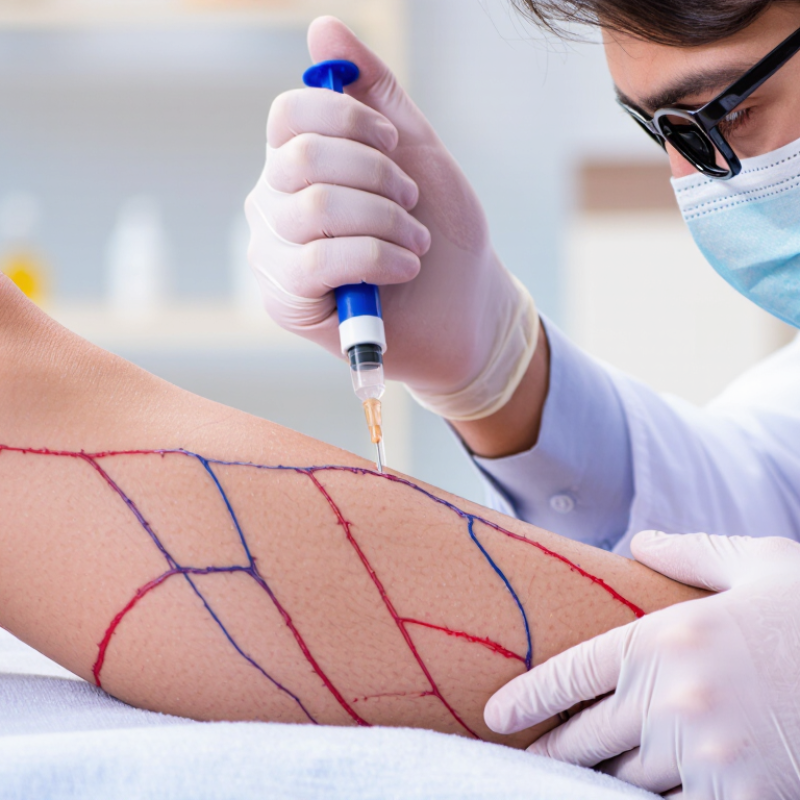
Sclerotherapy and surface laser are the two common options for visible spider veins. In sclerotherapy, a clinician injects a solution into the vein; it gradually closes and fades.

The 2023 Society for Vascular Surgery, American Venous Forum, and American Vein and Lymphatic Society guidelines recommend sclerotherapy over surface laser for symptomatic spider and small reticular veins. The recommendation is strong, with moderate-quality evidence.

That is useful guidance, not a promise of identical results for every person.

Laser treatment directs heat through the skin and may suit very fine veins, needle-averse patients, or people who cannot use a sclerosant. The same guidelines identify these situations as reasons to consider laser.

It matters. In practice, the choice depends on vein size, skin characteristics, medical history, and the clinician’s assessment.

Sclerotherapy can leave temporary bruising or brown discoloration; laser may cause redness or pigment changes. Neither method guarantees that new veins will not appear.

Ask how many sessions are likely, what recovery looks like, and whether symptoms such as aching or swelling need further evaluation.

A photo of the leg in daylight can help track changes, though it cannot replace an examination.

The comparison is less tidy than treatment charts suggest.

Check Your Health, Symptoms, and Suitability for Treatment

Tip 1: Check your health before booking. Tell a qualified clinician about past blood clots, pregnancy, medicines, allergies, and any circulation problems. Mention painful swelling, skin discoloration, or sores. These details can change whether treatment is suitable. Sudden one-sided swelling or warmth needs prompt medical assessment, not a cosmetic appointment.

Tip 2: Match treatment to symptoms. Fine red or purple lines may be cosmetic, but aching, heaviness, or swelling can point to an underlying vein problem. The 2023 Society for Vascular Surgery, American Venous Forum, and American Vein and Lymphatic Society guidelines advise considering ultrasound for people with severe symptoms or bleeding from small surface veins. Not everyone needs a scan. A careful assessment matters.

Tip 3: Ask what the evidence applies to. The Edinburgh Vein Study examined 1,566 adults and reported trunk varicose veins in 40% of men and 32% of women. That figure concerns larger varicose veins, not spider veins, and cannot predict your result. Ask about likely benefits, risks, recovery, and alternatives. A little uncertainty is honest; no treatment can promise perfect, lasting clearance.

7 Tips for Choosing the Best Spider Vein Treatment - Check Your Health, Symptoms, and Suitability for Treatment

Tip What to Check Relevant Options or Facts Questions to Discuss with a Qualified Clinician
1. Clarify the diagnosis Spider veins are small, visible blood vessels near the skin surface. Larger, bulging veins or leg swelling may indicate a different or deeper vein problem. A clinical assessment can help distinguish cosmetic spider veins from symptoms that need further evaluation. Duplex ultrasound may be considered when symptoms or examination suggest underlying venous disease. Are these spider veins, varicose veins, or another condition? Do my symptoms warrant an ultrasound or other evaluation?
2. Assess symptoms and warning signs Note aching, heaviness, itching, swelling, skin changes, bleeding, or symptoms that worsen after standing. Sudden leg swelling or pain needs prompt medical advice. Cosmetic treatment may not address the cause of symptoms if an underlying vein condition is present. Sudden shortness of breath or chest pain requires emergency care. Could my symptoms be related to vein disease? What changes should prompt urgent care?
3. Match treatment to vein size and location Treatment choice depends on the vessel’s size, depth, location, skin characteristics, and medical history. Sclerotherapy is commonly used for spider veins and some small varicose veins. Surface laser treatment may be considered for selected small vessels, especially when injections are unsuitable. Which option is appropriate for my specific veins, and why?
4. Review health factors and timing Share your medical conditions, allergies, medications, history of blood clots, pregnancy status, and any prior vein treatments. Some elective vein treatments may be delayed during pregnancy. A clinician should assess individual risks, including clotting history and medicines that affect bleeding or healing. Do any of my health conditions or medications change the risks, timing, or preparation?
5. Understand benefits, risks, and limitations Ask what improvement is realistic and whether more than one session may be needed. Possible effects vary by treatment. Sclerotherapy can cause temporary bruising or discoloration; laser treatment can cause temporary redness or pigment changes. New spider veins can develop over time. What side effects are possible for me, how long is recovery, and what results can I reasonably expect?
6. Check the clinician’s training and assessment process Choose a licensed, appropriately trained healthcare professional who evaluates your health and explains alternatives before treatment. A careful consultation should cover diagnosis, expected outcomes, risks, aftercare, and when follow-up is needed—not just the procedure itself. What training and experience do you have with this treatment, and how will you evaluate my suitability?
7. Plan for aftercare and follow-up Find out about activity, compression garments, sun exposure, and follow-up instructions specific to the proposed procedure. Aftercare varies by treatment and patient. Compression may be recommended in some cases, but it does not remove spider veins. Follow the treating clinician’s instructions. What should I do after treatment, when should I expect results, and when should I contact you?

Health note: This table is for general information and does not replace an individual assessment or medical advice.

Choose a Qualified Provider and Reputable Clinic

Tip: Choose a clinician with relevant training in venous disease, such as a board-certified dermatologist or vascular specialist. Ask who will perform the procedure and how often they treat spider veins. The American Society of Plastic Surgeons’ 2023 report counted 25.4 million minimally invasive cosmetic procedures, up 7% from 2022. That broad figure is not specific to vein treatment, so it cannot show a clinic’s expertise.

Tip: Check the clinic as carefully as the practitioner. Look for a clean treatment room, clear consent forms, and a plan for handling complications. During consultation, expect questions about medications, pregnancy, prior clotting, and leg symptoms. The 2023 Society for Vascular Surgery, American Venous Forum, and American Vein and Lymphatic Society guidelines support ultrasound assessment when symptoms suggest underlying vein disease. A cosmetic consultation should not rush past aching, swelling, or skin changes.

Tip: Ask what results are realistic, how many sessions may be needed, and what follow-up is included. Request a written estimate and time to consider it. A polished waiting room is reassuring, but it proves little. I would treat pressure to book immediately as a warning sign. Even a well-qualified provider cannot promise identical results for every patient.

Weigh Treatment Risks, Recovery, Cost, and Expected Results

Before choosing spider vein treatment, ask what is causing visible veins and whether symptoms need assessment. The 2023 Society for Vascular Surgery, American Venous Forum, and American Vein and Lymphatic Society guidelines support clinical evaluation of venous disease; aching, swelling, or skin changes deserve more than a cosmetic estimate. For small surface veins, options may include sclerotherapy or laser treatment. Each has trade-offs. Sclerotherapy can cause temporary bruising, tenderness, or brown discoloration, while uncommon complications include skin injury or blood clots. Recovery varies. Ask about the clinician’s training, likely side effects, and what follow-up includes.

Compare the full cost, not just the quoted treatment fee. The American Society of Plastic Surgeons’ 2023 procedural statistics report lists an average sclerotherapy surgeon fee of $413; it excludes facility and other related charges. Your estimate may differ by location, vein area, and number of sessions. Results also take time. Treated veins may fade over weeks, but new veins can appear, and complete clearing is not guaranteed. Ask for realistic before-and-after expectations and whether compression or activity limits apply. A small detail matters: who handles concerns after treatment? It can be easy to overlook that when comparing prices.

Contact Us

Feel free to contact us anytime for questions, support, or assistance. We're here to help you with any inquiries you have.

  • Address: 10220 S. Dolfield Rd Suite 110
    Owings Mills, MD, 21117
  • Email: sale@oshanbeauty.com
  • Call Us: (410) 356-0000
  • Working hours:

    Monday – Friday: 9am – 5pm
    Saturday and Sunday: Closed

Latest Posts

Laser Hair Removal Maryland: 10 Common Myths Debunked by Experts

What if the repetitive cycle of razor burn and painful ingrown hairs wasn't a...
Read More

Body Sculpting in Owings Mills: A Medical Guide to Non-Surgical Contouring

What if you could finally address those persistent areas of fat without a single...
Read More

Laser Skin Rejuvenation in Owings Mills: Your Guide to a Radiant Complexion

Your skin is a living organ, not a canvas for trial and error. If...
Read More

GentleCure: Non-Surgical Skin Cancer Treatment in Maryland

What if you could eliminate your skin cancer with the same precision as surgery,...
Read More

ARTAS Robotic Hair Transplant: What to Expect

Are you struggling with hair loss and the self-consciousness that often comes with it?...
Read More
Call Us Appointments

Accessibility Tools

Increase TextIncrease Text
Decrease TextDecrease Text
GrayscaleGrayscale
Invert Colors
Readable FontReadable Font
Reset