Blog
What Is the Best Rosacea Treatment in 2026?
Rosacea can look different from one face to another. One person may notice flushing after a hot drink; another may struggle with persistent redness, visible vessels, or tender bumps across the cheeks. That variation matters. The best Rosacea Treatment in 2026 is not a single cream or device, but a plan matched to symptoms, skin sensitivity, and medical history.
Board-certified dermatologist Dr. Julie Harper has discussed the importance of tailoring rosacea care to the individual. That principle is worth keeping in view: a treatment that helps bumps may not ease flushing, and irritating products can make sensitive skin feel worse. A dermatologist can distinguish rosacea from other conditions and discuss evidence-based options, which may include prescription topicals, oral medication, or light-based procedures. Results and risks vary.
Small details count. A symptom diary can reveal whether heat, sun, spicy food, or a particular cleanser precedes a flare. Gentle cleansing, daily sun protection, and gradual product changes may support a treatment plan, but they do not replace medical advice. And progress is rarely perfectly linear. Redness can return; a promising product may disappoint. This guide will compare current options, explain what evidence can—and cannot—tell us, and offer questions to raise with a qualified clinician before choosing a plan.
Understanding Rosacea and Its Treatment Goals
Rosacea is a chronic inflammatory skin condition, not simply a tendency to blush. A 2018 systematic review and meta-analysis of 32 studies estimated that rosacea affects 5.46% of the global population. The estimate is useful, but prevalence varies across studies and regions. Symptoms vary, too. One person may have persistent redness and visible small blood vessels; another may develop bumps, stinging, or dry, gritty eyes. Triggers can include heat, sunlight, spicy food, or alcohol, but not everyone reacts to the same things. Triggers vary. That matters.
Treatment goals should match the symptoms and the person’s priorities, rather than follow a one-size-fits-all plan. The ROSCO international consensus recommends a phenotype-based approach, targeting features such as redness, bumps, and eye symptoms individually. For some people, a clinician may recommend prescription topical or oral treatment; persistent redness may call for a different approach. Gentle cleansing, moisturizer, and daily sun protection can also help reduce irritation. Treatment is usually about control, not a permanent cure. Honestly, “best” can be a misleading word: improvement may take time, and a plan may need adjustment if skin becomes irritated or symptoms persist. A dermatologist can assess symptoms, discuss risks, and help set realistic goals.
How Clinicians Choose a Rosacea Treatment
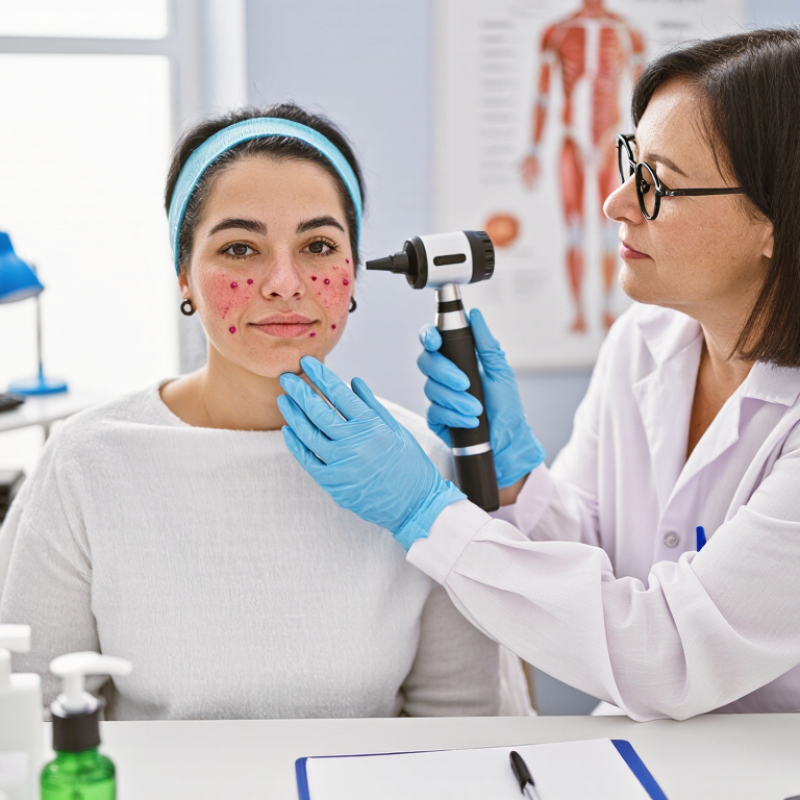
A clinician’s choice starts with what is visible and what the patient feels. Flushing, persistent redness, bumps, burning, and eye irritation may call for different approaches. They will ask when symptoms began, what seems to trigger them, and which products sting. A close look at the skin helps distinguish rosacea from conditions that can appear similar. There is no single best treatment for everyone.
Treatment is matched to the main symptoms, skin sensitivity, medical history, and daily routine. Topical medicines may help inflammatory bumps; other options can target persistent redness. Oral medicine may be considered when inflammation is more widespread, while certain light or laser procedures can reduce visible vessels. Eye symptoms matter, too. A clinician may recommend eye care or refer the patient for further evaluation. Progress often takes weeks, and adjustments are common. The first plan may not be the right one.
Tips: Bring a list of products, medicines, and suspected triggers to the appointment. Take photos during a flare; redness can fade before the visit. Ask when to check in and what side effects deserve attention. Gentle cleansing and sunscreen may support care, but even “gentle” products can irritate some skin. That detail is easy to miss.
What Is the Best Rosacea Treatment in 2026? How Clinicians Choose
How to read this: In one 16-week head-to-head clinical trial, inflammatory lesion counts fell by an average of 83.0% with topical ivermectin and 73.7% with topical metronidazole. This result does not mean one treatment is best for everyone: clinicians tailor treatment to the rosacea symptoms, severity, medical history, and patient preferences. Persistent redness or visible vessels may call for different approaches than inflammatory bumps.
Source: Taieb et al., British Journal of Dermatology (2015), randomized comparison of topical ivermectin and metronidazole in papulopustular rosacea. Trial results are specific to this study and should not be used to predict an individual’s response.
Available Medical and Procedural Treatment Options in 2026
Rosacea treatment in 2026 is chosen by symptoms, skin sensitivity, and medical history. There is no single best option for everyone. Persistent facial redness, visible vessels, and acne-like bumps may need different approaches. A clinician can help confirm the diagnosis and set realistic goals.
For bumps and irritation, prescription creams or gels may include azelaic acid, metronidazole, or ivermectin. Oral anti-inflammatory medicine may be considered when bumps are more widespread. Dryness and stinging can happen, so treatment often starts gradually. Keep a simple symptom diary; it can reveal patterns that memory misses. Results vary.
For persistent redness or visible vessels, vascular laser or intense pulsed light procedures may help. They can require several visits, and temporary swelling or redness is possible. Device choice matters, especially across different skin tones. Eye symptoms, such as gritty or burning eyes, deserve medical attention; eyelid care or prescription treatment may be needed. Sunscreen and gentle cleansing can support care, but they do not replace treatment. Progress may be uneven, and that can feel discouraging. A plan should be reviewed if symptoms worsen or side effects interfere with daily life.
Matching Treatment to Rosacea Type and Severity
Rosacea treatment works best when it matches the symptoms causing the most trouble. Persistent redness and flushing may call for a different approach than acne-like bumps or eye irritation. A clinician can assess the pattern, check for other skin conditions, and discuss how often symptoms flare. There is no single best treatment for everyone.
For frequent bumps and pimples, prescription creams or gels may reduce inflammation over time. Moderate or widespread bumps may need an oral anti-inflammatory medicine prescribed by a clinician. Give treatments time. Improvement can take several weeks, and irritation may mean the plan needs adjusting. A gentle cleanser, fragrance-free moisturizer, and daily broad-spectrum sunscreen can also help protect sensitive skin.
Visible small blood vessels and lasting redness may respond to office-based light or laser procedures, though results vary and repeat sessions may be needed. Eye symptoms deserve prompt attention. Dryness, gritty feelings, or swollen eyelids can require clinician-guided care, sometimes with lubricating drops and lid hygiene.
Keep a simple symptom log. It can reveal triggers, but not every flare has an obvious cause. Avoid scrubbing or adding several active products at once; even well-meant routines can make sensitive skin sting.
Monitoring Results, Side Effects, and Long-Term Care
What Is the Best Rosacea Treatment in 2026?
Monitoring Results, Side Effects, and Long-Term Care
The best rosacea treatment is one that improves your specific symptoms without causing troublesome side effects. Progress can be gradual. Track flushing, bumps, burning, and eye irritation in a weekly diary, and photograph your face in similar lighting. A 2018 British Journal of Dermatology meta-analysis of 41 studies estimated rosacea prevalence at 5.46%, highlighting how many people may need ongoing care. That figure describes population prevalence, not an individual’s likely response to treatment.
Review your notes with a qualified clinician after starting or changing treatment. Ask what improvement to expect and when to reassess. Topical medicines may cause dryness, stinging, or redness; oral treatments can have different risks, including sun sensitivity with some antibiotics. Report persistent or worsening reactions rather than simply stopping or increasing a dose yourself. Eye pain, light sensitivity, or blurred vision deserves prompt medical assessment. I still find that “better” can be hard to define—fewer bumps may matter less than less burning for one person.
Tips: Keep a simple log of products, weather, heat, and symptoms. Use gentle, fragrance-free skin care and daily sun protection if tolerated. Revisit the plan periodically with your clinician; rosacea can change, and long-term care may need adjustment.
What Is the Best Rosacea Treatment in 2026? — Monitoring Results, Side Effects, and Long-Term Care
There is no single best treatment for everyone. Care is chosen according to the main features—persistent redness, flushing, bumps and pimples, visible blood vessels, or eye symptoms—and may combine prescription treatment with gentle skin care and trigger management. Rosacea is chronic and can flare again, so treatment often needs ongoing review.
| Treatment or care option | Most relevant symptoms | What to monitor | Possible side effects or limitations | Long-term care and review |
|---|---|---|---|---|
| Topical anti-inflammatory treatment Examples include azelaic acid, ivermectin, and metronidazole. |
Inflammatory bumps and pimples; some options may also help associated redness. | Record the number of bumps, redness, irritation, and how consistently the treatment is used. A clinician commonly reviews response after about 8–12 weeks. | Dryness, stinging, burning, itching, or irritation can occur. Improvement is gradual, and no one topical option works for everyone. | Use as directed on the prescribed schedule. If symptoms improve, discuss whether to continue, reduce, or adjust treatment rather than stopping or changing it without guidance. |
| Topical redness-reducing medicine Alpha-adrenergic medicines such as brimonidine or oxymetazoline. |
Temporary reduction of persistent facial redness. | Note how much redness improves, how long the effect lasts, and whether redness returns or worsens after application. | May cause irritation, flushing, or a temporary worsening or rebound of redness in some people. It does not treat bumps or prevent all flushing. | These medicines manage visible redness while active but do not cure rosacea. Follow application instructions and review benefit and tolerability with a clinician. |
| Oral doxycycline Often prescribed at an anti-inflammatory dose for selected cases. |
Moderate to severe inflammatory bumps, especially when topical treatment alone is insufficient. | Track inflammatory lesions and gastrointestinal symptoms. Review duration and ongoing need with the prescriber; longer courses should be periodically reassessed. | Can cause nausea, heartburn, or increased sun sensitivity. It is generally avoided during pregnancy and in young children; individual circumstances require clinical advice. | Use only as prescribed, take with adequate water, and follow instructions to reduce throat or esophageal irritation. Use sun protection and avoid unnecessary prolonged antibiotic exposure. |
| Oral isotretinoin Specialist-supervised option for selected difficult-to-treat cases. |
Severe or persistent inflammatory rosacea that has not responded adequately to other treatments. | A specialist may monitor symptoms, pregnancy risk where relevant, and laboratory tests such as liver enzymes and blood lipids according to individual risk and local guidance. | Common effects include dry lips and skin. It can cause serious birth defects if taken during pregnancy and requires strict pregnancy-prevention safeguards for anyone who could become pregnant. | Requires specialist oversight and regular follow-up. Do not use during pregnancy or share the medicine; discuss relapse risk and follow-up after a course with the prescriber. |
| Laser or intense pulsed light procedures | Visible small blood vessels and persistent background redness that remain troublesome. | Compare standardized photographs before and after treatment; assess redness, visible vessels, discomfort, and pigment changes during healing. | Temporary redness, swelling, bruising, or discomfort may occur; less commonly, burns, scarring, or pigment changes can occur. Results vary and more than one session may be needed. | Choose a qualified, experienced clinician. Protect the skin from sun before and after procedures and understand that maintenance treatments may be needed. |
| Gentle skin care and daily sun protection | Useful alongside treatment for most rosacea patterns; may reduce irritation and help limit sun-related flares. | Watch for stinging, dryness, or rash after new products. Keep a brief record of suspected triggers and symptoms rather than assuming every reported trigger applies. | Fragranced, abrasive, or irritating products may worsen discomfort. Skin-care changes alone may not control moderate or severe disease. | Use a gentle cleanser, moisturizer, and broad-spectrum sunscreen of SPF 30 or higher. Introduce products one at a time and consider shade, hats, and personal trigger patterns. |
| Eye assessment and care | Dryness, grittiness, burning, eyelid irritation, or recurring eye redness associated with possible ocular rosacea. | Track eye discomfort, light sensitivity, blurred vision, and eyelid symptoms. Eye pain, significant light sensitivity, or vision changes need prompt medical assessment. | Eye symptoms can have causes other than rosacea; self-treatment may delay diagnosis. Eye drops or other treatment should be selected with a clinician. | Seek medical advice for persistent symptoms and eye-care assessment when indicated. Urgent symptoms, especially vision changes or substantial eye pain, should not wait for a routine review. |
Related Posts
-
China Top 10 Rosacea Treatment Manufacturers
-
How to Source Skin Care Treatments Globally in 2026?
-
How to Choose the Best Pigmentation Treatment for Your Skin?
-
7 Best Laser Facial Machines for Clinics in 2026
-
How to Choose Skin Rejuvenation Devices in 2026?
-

Top 10 Questions About Scar Revision You Need to Know?
Contact Us
Feel free to contact us anytime for questions, support, or assistance. We're here to help you with any inquiries you have.
- Address: 10220 S. Dolfield Rd Suite 110
Owings Mills, MD, 21117 - Email: sale@oshanbeauty.com
- Call Us: (410) 356-0000
- Working hours:
Monday – Friday: 9am – 5pm
Saturday and Sunday: Closed