What Are the 10 Best Facial Rejuvenation Tips?

What Are the 10 Best Facial Rejuvenation Tips? The answer is rarely one dramatic treatment. Facial Rejuvenation is usually a collection of steady choices: daily sun protection, a gentle cleanser, moisturizer, and carefully selected active ingredients. These habits may support healthier-looking skin, but they cannot stop aging or guarantee a particular result. Real skin has pores, fine lines, and uneven days. That is normal.

Board-certified dermatologist Dr. Doris Day is often quoted as saying, “The best anti-aging product is sunscreen.” It is a useful reminder, not a miracle claim. Broad-spectrum sunscreen, applied generously and reapplied outdoors, helps limit ultraviolet damage. A hat and shade add practical protection. Retinoids may improve the appearance of fine lines for some people, but they can irritate skin and may not suit everyone. Introduce products gradually, and ask a qualified clinician about persistent irritation, pigmentation concerns, or procedures.

This guide explores ten grounded tips, from sleep and hydration to professional treatments and realistic expectations. Small details matter: the sunscreen bottle beside your keys, the moisturizer used after washing, and the routine you can actually maintain. Expensive does not always mean better. More products can mean more irritation. And routines take patience.

No checklist fits every face. Skin tone, medical history, budget, and personal goals all shape sensible choices. A reflective approach helps: notice what your skin tolerates, question bold promises, and seek individualized advice before making major changes. Faced with countless products, start simply.

What Are the 10 Best Facial Rejuvenation Tips?

Assess Skin Type, Concerns, and Goals Before Choosing Rejuvenation Methods

Before choosing facial rejuvenation methods, identify your skin type, main concerns, and realistic goals. Is your skin dry, oily, sensitive, or combination? Do you notice fine lines, uneven pigment, rough texture, or loss of firmness? These details affect which approaches may suit you and what risks to discuss. For example, a history of irritation or darker skin tone can influence how a clinician plans certain light- or energy-based treatments. Share medications, past procedures, and any tendency toward scarring. Bring photos of your skin in natural light; bathroom lighting can hide redness and pigment changes. Small details count.

Set a priority, not a wish list. If dullness bothers you most, a plan for texture may make more sense than targeting wrinkles. Ask about expected results, recovery time, side effects, and maintenance before agreeing to treatment. The American Society of Plastic Surgeons reported 25.4 million minimally invasive cosmetic procedures in the United States in 2023, including injections and skin treatments. That figure shows how common these options are, not which one is right for you. A qualified, licensed clinician should assess your skin and explain alternatives. One awkward truth: a popular treatment may not address your concern at all. Be willing to revise the plan. Your goals may change after an honest consultation.

10 Facial Rejuvenation Tips: A Personalized Routine Guide

Daily sun protection, gentle cleansing, and moisturizing are common skin-care basics. Introduce retinoids gradually; exfoliation frequency depends on skin tolerance. These are routine-planning examples, not treatment results or a substitute for personalized medical advice. Assess your skin type, concerns, and goals before choosing a method, and consult a qualified clinician before a procedure.

Prevent Photoaging: AAD Recommends Daily Broad-Spectrum SPF 30 or Higher

A refreshed-looking face begins with protecting the skin you have. The American Academy of Dermatology recommends daily, broad-spectrum sunscreen with SPF 30 or higher. “Broad-spectrum” means protection against both UVA and UVB rays. UVA exposure contributes to premature lines, uneven tone, and dark spots, even when the sky looks cloudy.

Make it part of a routine you can actually keep. Apply sunscreen to exposed skin before heading outside, including the ears, neck, and hairline. A small mirror can reveal missed spots near the temples. Reapply about every two hours outdoors, and after swimming or sweating. A hat and shade help, too. They are not substitutes for sunscreen.

Small habits matter. So does patience. Sunscreen helps prevent further sun damage; it will not erase existing wrinkles overnight. I sometimes forget the backs of my hands, which is a useful reminder that routines can be imperfect. Keep sunscreen near your toothbrush or by the door, and choose a texture you are comfortable wearing every day. If a changing spot concerns you, ask a dermatologist rather than relying on sunscreen to assess it.

Refresh Your Routine With Gentle Cleansing, Moisturizing, and Retinoids

A refreshed complexion often starts with less friction, not more products. Choose a mild, fragrance-free cleanser and use lukewarm water; hot water can leave skin feeling tight. Wash with fingertips, not a rough cloth. Pat dry gently. Then apply moisturizer while skin is still slightly damp to help reduce moisture loss. Less is often enough.

Retinoids can soften the look of fine lines over time, but patience matters. A 2007 randomized trial in Archives of Dermatology followed 36 older adults for 24 weeks. Participants applied 0.4% retinol to one forearm and a vehicle lotion to the other; researchers reported fewer fine wrinkles on the retinol-treated side. A study is evidence, not a guarantee. Begin with a low-strength product once or twice weekly, and pause if persistent burning or peeling develops. Use sunscreen during the day, since irritation can make skin harder to tolerate. A small routine is easier to maintain, though it can feel underwhelming at first.

Compare Professional Treatments: ASPS Recorded 25.4 Million Minimally Invasive Procedures in 2023

The American Society of Plastic Surgeons reported 25.4 million minimally invasive cosmetic procedures in 2023. That figure shows how common office-based treatments have become, but it counts procedures, not individual patients. One person may receive several treatments. Numbers need context.

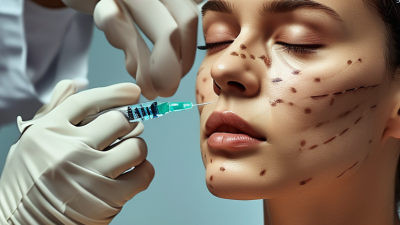
Professional options address different concerns. Neuromodulator injections can soften expression lines, while fillers may restore selected areas of facial volume. Chemical peels and certain laser treatments can target uneven tone or texture. They are not interchangeable, and none can stop natural aging. A clinician should assess your skin, health history, and goals before recommending a treatment. Ask about likely results, discomfort, recovery time, and possible complications. Small details matter, such as avoiding a procedure before an important event if swelling or redness is possible.

The safest comparison starts with a qualified, appropriately credentialed medical professional who explains both benefits and limits. Be cautious of promises that sound permanent or effortless. A thoughtful consultation should include alternatives, including no treatment. Daily sunscreen and gentle skin care remain useful, even when someone chooses a procedure. Still, the headline number cannot tell us whether people felt satisfied, or why they chose treatment. That part deserves more attention.

What Are the 10 Best Facial Rejuvenation Tips? — Compare Professional Treatments: ASPS Recorded 25.4 Million Minimally Invasive Procedures in 2023

A practical comparison of everyday skin-care habits and professional options. The ASPS figure covers minimally invasive cosmetic procedures overall, not facial rejuvenation alone.

# Tip What it may help with Professional option to discuss Key considerations
1 Use broad-spectrum sunscreen daily Helps protect against ultraviolet exposure, a major contributor to premature skin aging. A dermatologist can assess sun damage and advise whether a procedure is appropriate. Choose broad-spectrum SPF 30 or higher; reapply as directed, especially outdoors. Sunscreen is prevention, not a procedure.
2 Build a gentle, consistent skin-care routine Supports the skin barrier and can reduce irritation that makes skin look uneven or dry. A clinician may recommend a prescription or in-office plan for a specific skin concern. Use a gentle cleanser and moisturizer; introduce active ingredients gradually and stop products that cause significant irritation.
3 Ask about topical retinoids Some retinoids can improve fine lines, uneven pigmentation, and acne; results take time. A dermatologist can determine whether a prescription retinoid or an over-the-counter retinol product suits your skin. Dryness and irritation are possible. Use sun protection; ask a clinician before use during pregnancy or when trying to conceive.
4 Consider neuromodulator injections for expression lines Temporarily reduces activity in selected muscles, which can soften certain lines caused by facial expression. A qualified medical professional can assess whether treatment is suitable and explain expected results. Effects are temporary and vary. Possible risks include bruising, headache, or eyelid/eyebrow droop; discuss your medical history and alternatives.
5 Discuss dermal fillers only for an appropriate concern Certain fillers can add volume or soften selected facial folds, depending on the product and treatment area. A licensed, experienced medical professional should explain the filler type, placement, and alternatives. Swelling and bruising can occur. Rare but serious complications include blocked blood vessels and tissue injury; FDA advises against injectable fillers in some areas, including the nose and between the eyebrows.
6 Ask whether a chemical peel matches your skin and goals Depending on peel depth, may improve some surface texture, discoloration, or acne-related concerns. A trained clinician can select the peel and assess skin tone, sensitivity, and risk of pigment changes. Recovery and risks vary by peel depth. Redness, peeling, infection, scarring, or lasting pigment changes are possible; sun protection is important during healing.
7 Compare laser and light-based treatments carefully Selected devices may target concerns such as redness, discoloration, or textural changes; results depend on the device and condition. Have a qualified clinician identify the device, explain its intended use, and assess your skin type and treatment area. Downtime and risks vary. Burns, scarring, and pigment changes can occur; some devices may be unsuitable for particular skin tones or conditions.
8 Get a medical assessment before microneedling Professional microneedling may be considered for certain texture or scar concerns, but outcomes are not guaranteed. Ask a qualified professional about the device, training, infection-control practices, and whether it is appropriate for you. Temporary redness and irritation can occur. Infection, pigment changes, or scarring are possible; at-home devices are not equivalent to professional treatment.
9 Support results with healthy habits Avoiding smoking, getting adequate sleep, and eating a balanced diet support general health and skin health. A clinician can help set realistic expectations and address skin changes that may need medical evaluation. Lifestyle habits do not replace treatment for a medical skin condition and cannot guarantee a specific cosmetic result.
10 Choose a qualified provider and plan for maintenance A personalized plan can match treatment to your goals, health history, skin type, and tolerance for downtime. Ask about the provider’s credentials, the exact procedure, expected benefits, alternatives, total cost, and follow-up care. Many non-surgical results are temporary or require repeat sessions. No procedure is risk-free, and outcomes differ between individuals.
Context and sources: The American Society of Plastic Surgeons reported 25.4 million minimally invasive cosmetic procedures in the United States in 2023; this total is not limited to facial procedures. General safety and skin-care information: ASPS Plastic Surgery Statistics, American Academy of Dermatology sunscreen guidance, and FDA information on dermal fillers. This table is educational, not personal medical advice. Consult a qualified healthcare professional before treatment.

Plan Safe Maintenance: FDA Data Put Botox Cosmetic Effects at About 3–4 Months

Facial rejuvenation is easier to plan when expectations are realistic. FDA-approved labeling for a cosmetic botulinum toxin type A treatment describes temporary results. Many people notice improvement for about three to four months, though duration varies.

That window is a planning estimate, not a promise. Muscle strength, treatment area, dose, metabolism, and prior treatment can affect how long changes remain visible. Keep notes. Record the treatment date, areas treated, and when movement begins returning. A calendar reminder near month three can prompt a review, not an automatic appointment. More frequent treatment is not automatically better.

Before treatment, discuss your health history, medicines, allergies, and goals with a qualified, licensed clinician. Ask what changes are realistic for your face and which side effects need attention. FDA labeling warns that toxin effects can rarely spread beyond the injection area. Seek urgent medical advice for trouble swallowing, speaking, or breathing. Small details matter. It is easy to focus on the calendar and miss whether the result still suits you. Reassess your priorities at each visit.

Contact Us

Feel free to contact us anytime for questions, support, or assistance. We're here to help you with any inquiries you have.

  • Address: 10220 S. Dolfield Rd Suite 110
    Owings Mills, MD, 21117
  • Email: sale@oshanbeauty.com
  • Call Us: (410) 356-0000
  • Working hours:

    Monday – Friday: 9am – 5pm
    Saturday and Sunday: Closed

Latest Posts

Laser Hair Removal Maryland: 10 Common Myths Debunked by Experts

What if the repetitive cycle of razor burn and painful ingrown hairs wasn't a...
Read More

Body Sculpting in Owings Mills: A Medical Guide to Non-Surgical Contouring

What if you could finally address those persistent areas of fat without a single...
Read More

Laser Skin Rejuvenation in Owings Mills: Your Guide to a Radiant Complexion

Your skin is a living organ, not a canvas for trial and error. If...
Read More

GentleCure: Non-Surgical Skin Cancer Treatment in Maryland

What if you could eliminate your skin cancer with the same precision as surgery,...
Read More

ARTAS Robotic Hair Transplant: What to Expect

Are you struggling with hair loss and the self-consciousness that often comes with it?...
Read More
Call Us Appointments

Accessibility Tools

Increase TextIncrease Text
Decrease TextDecrease Text
GrayscaleGrayscale
Invert Colors
Readable FontReadable Font
Reset