Blog
What Is a Laser Facial and How Does It Work?
A Laser Facial is not one single procedure. The name can describe treatments that use different wavelengths, devices, and settings to address redness, uneven tone, sun damage, acne marks, or fine lines. Some treatments target pigment near the skin’s surface. Others deliver heat deeper into the skin to encourage collagen remodeling. The device and settings matter.
The American Society of Plastic Surgeons’ 2023 procedural statistics recorded about 25.4 million cosmetic minimally invasive procedures in the United States. That broad total is useful context, not a count of laser facials; the report does not isolate every treatment marketed under that name. This distinction matters. Laser researcher and dermatologist R. Rox Anderson, with John Parrish, described the core targeting principle in their foundational 1983 paper as “selective photothermolysis”: matching light to a chosen tissue target while limiting effects on nearby tissue. In practice, a clinician considers skin tone, treatment goals, device type, and medical history before recommending a setting.
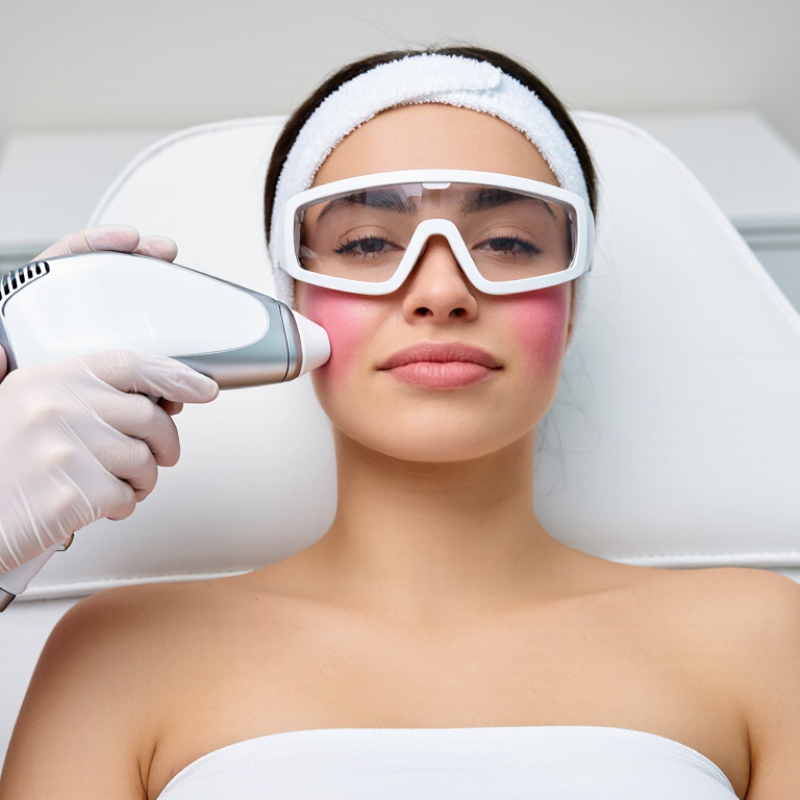
What might a session feel like? A clinician may cleanse the skin, provide eye protection, and pass a handpiece across the treatment area. You could notice brief warmth or snapping sensations, followed by redness or sensitivity. Recovery varies. Some treatments cause little downtime; others need careful aftercare and several days of healing. Results also differ, and more aggressive treatment is not automatically better.
The FDA advises consumers to understand the risks of energy-based devices and seek qualified professional guidance. A consultation should explain likely benefits, possible side effects, alternatives, and realistic recovery. Ask about the specific device—not just the “facial” label. Details can be easy to overlook.
What a Laser Facial Treats: Pigment, Blood Vessels, and Skin Texture
What Is a Laser Facial and How Does It Work?
A laser facial uses focused light to treat specific skin concerns. The exact effect depends on the wavelength and treatment settings. Some lasers target excess pigment, making brown spots appear lighter over time. Others heat blood vessels, which may reduce visible redness and small facial veins. Texture-focused treatments stimulate collagen and encourage smoother skin. Fine lines, enlarged pores, and shallow acne scars may improve gradually.
Tips: Choose a licensed medical professional with experience treating your skin tone. Ask which target is being treated and what downtime to expect. Daily broad-spectrum sunscreen is essential after treatment. Avoid picking flaky areas, even when they feel irritating. This detail is easy to underestimate.
The term laser facial sounds simple, but treatments differ greatly. Results are rarely instant or perfectly even. Pigment can temporarily darken before fading. Redness may last for several days.
Deeper texture concerns often need several sessions. Skin with more melanin may face a higher risk of post-treatment darkening, so conservative settings matter. A careful consultation should cover medications, recent sun exposure, healing history, and realistic outcomes. More energy does not always mean better skin.
How Wavelength Selects a Target: 532, 1,064, 2,940, and 10,600 nm Examples
A laser facial uses focused light to create a controlled effect in selected skin tissue. Wavelength matters because different materials absorb different colors of light. At 532 nm, energy is absorbed strongly by some superficial pigment and blood-vessel targets. It may help address certain sun spots or visible red vessels, but can also affect surrounding skin. Details matter.
At 1,064 nm, light generally reaches deeper than 532 nm and is used for selected pigment or vascular concerns. Its effect still depends on settings, skin tone, and the condition being treated.
At 2,940 nm, water in the skin absorbs energy efficiently, making this wavelength useful for controlled resurfacing. At 10,600 nm, water absorption is also strong; this wavelength can remove thin layers of tissue and stimulate a healing response. The skin may look pink or feel warm afterward, and recovery varies.
A wavelength is not a treatment plan. Pulse duration, energy, cooling, and the operator’s technique shape how much tissue is affected. A consultation should cover your skin history, recent tanning, medications, and realistic recovery time.
Darker skin tones may be more vulnerable to unwanted pigment changes with some settings, so careful assessment is important. Results are not perfectly predictable, and that uncertainty deserves an honest conversation before treatment.
How a Session Works: Skin Assessment, Eye Protection, and Laser Delivery
A laser facial is a controlled light treatment for selected skin concerns. It may target pigment, redness, texture, or fine lines. The session begins with a skin assessment, not the laser. A qualified practitioner reviews your skin tone, sensitivity, medical history, current medicines, and treatment goals. They may examine freckles, active irritation, scars, or recent sun exposure. These details influence the wavelength and energy settings.
Eye protection is essential. You may wear fitted shields or protective glasses matched to the laser’s wavelength. The practitioner cleans your skin and marks treatment zones. During delivery, the handpiece sends brief pulses across the surface. You may feel warmth, snapping, or mild stinging. Cooling air or a chilled contact tip can reduce discomfort. The operator should adjust settings gradually, rather than chase dramatic results in one visit. Skin can respond unevenly.
The International Society of Aesthetic Plastic Surgery reported more than 19 million nonsurgical aesthetic procedures worldwide in its 2023 Global Survey. Laser-based treatments remain widely used, but popularity does not guarantee suitability. Clinical studies and professional guidance support individualized settings, especially for deeper skin tones or reactive skin. A patch test may help, though it cannot predict every reaction. The American Academy of Dermatology also stresses qualified medical supervision for energy-based procedures. The process is precise, but not perfectly predictable. That limitation deserves honest discussion.
What Is a Laser Facial and How Does It Work? — How a Session Works: Skin Assessment, Eye Protection, and Laser Delivery
| Session Stage | What Happens | Why It Matters |
|---|---|---|
| Skin assessment | A qualified provider reviews skin concerns, medical history, current medications, recent tanning, and previous cosmetic treatments. The skin is examined, and the treatment plan is adjusted to the person and device. | Different lasers target different concerns, and skin tone, sensitivity, and health factors can affect treatment choice and risk. Treatment may be postponed or deemed unsuitable in some circumstances. |
| Preparation | The treatment area is typically cleansed, and makeup or skin-care products are removed. The provider explains expected sensations and aftercare; numbing measures may be used for some treatments. | Clean skin allows the treatment area to be assessed consistently. Preparation varies with the laser type and the planned treatment. |
| Eye protection | The client and provider wear eye protection appropriate to the laser’s wavelength and treatment setup. The client is asked to keep the protection in place during laser use. | Laser light can injure the eyes. Ordinary sunglasses are not a substitute for purpose-designed protective eyewear. |
| Laser delivery | The provider moves the handpiece over the selected area or delivers individual pulses, following the device’s instructions. The beam’s energy is absorbed by intended skin targets; the sensation may feel warm, prickly, or like brief snaps. | Laser type and settings determine which targets are affected and how the skin responds. Non-ablative treatments heat targeted tissue without removing the outer skin; ablative treatments remove controlled layers of skin. |
| Immediate skin response | Temporary redness, warmth, or swelling can occur. The degree and duration vary depending on the treatment, individual skin response, and treated area. | These effects are not the same for everyone. Blistering, increasing pain, or other unexpected reactions should be discussed promptly with the provider. |
| Aftercare and follow-up | The provider gives instructions tailored to the procedure. Common guidance may include gentle skin care, avoiding unnecessary irritation, and protecting treated skin from sunlight. Follow-up or additional sessions may be recommended. | Healing time and the number of sessions vary by laser and treatment goal. Results are not guaranteed, and sun protection helps reduce the chance of unwanted pigment changes. |
Important: A laser facial is a broad term, not one standardized procedure. Ask a qualified health professional which device and treatment are proposed, what benefits and risks apply to your skin, and what recovery to expect.
How Ablative and Nonablative Lasers Differ in Skin Response and Recovery
What Is a Laser Facial and How Does It Work?
A laser facial uses focused light to change targeted layers of the skin. The device may soften uneven texture, discoloration, fine lines, or acne scars. Its effect depends on the laser’s depth and intensity. A qualified medical professional should assess skin type, medications, healing history, and treatment goals before choosing an approach.
Ablative lasers remove portions of the outer skin surface. This controlled injury encourages new skin formation and collagen remodeling. Skin may feel raw, swollen, or tight afterward. Peeling and redness can last for several days or longer. Nonablative lasers leave the surface mostly intact. Instead, they heat deeper tissue and stimulate gradual collagen activity. Recovery is usually shorter, but results often develop more slowly and may require several sessions. The response is not perfectly predictable. Even careful treatment can produce uneven redness or temporary darkening, especially in sensitive skin.
Tips: Ask how the device affects your skin layers. Request clear aftercare instructions. Avoid picking peeling skin. Use gentle cleansing and broad-spectrum sun protection during healing. Tell the clinician about recent tanning, active irritation, or previous pigment changes. A small test area may help, though it cannot guarantee the final result.
What Is a Laser Facial and How Does It Work?
Typical maximum recovery time after ablative and nonablative laser treatments
Ablative lasers remove part of the outer skin surface, producing a stronger resurfacing response and commonly requiring about 7–14 days of initial recovery. Nonablative lasers heat tissue beneath the surface without removing the outer layer, so redness and swelling often settle within 0–3 days. Actual recovery depends on treatment intensity, skin type, treatment area, and individual healing.
How Skin Type and Aftercare Affect Safety, Healing, and Results
What Is a Laser Facial and How Does It Work?
A laser facial uses controlled light energy to heat or remove targeted skin layers. This process can soften uneven texture, sun spots, fine lines, or acne marks. The device and settings should match the person, not just the concern. During consultation, a qualified clinician should review medications, allergies, scarring history, and recent sun exposure. Skin tone matters too. Deeper or more pigmented skin may face a higher risk of post-inflammatory darkening after heat-based treatment.
Healing is rarely identical from one face to another. Fair, sensitive skin may remain pink and tight for several days. Oilier skin can feel congested if heavy products are applied too soon. Deeper skin tones may need gentler settings and longer observation. A patch test can reduce surprises, although it cannot predict every reaction. That limitation deserves honesty.
Aftercare strongly affects the result. Keep the treated area clean and avoid picking flakes or crusts. Use a clinician-approved moisturizer and broad-spectrum sunscreen when the skin has closed. Skip tanning, intense exercise, hot showers, exfoliating acids, and retinoids until professional guidance allows them. Small mistakes matter. Scratching one itchy area can prolong redness or cause discoloration. Increasing pain, spreading swelling, blistering, or drainage needs prompt medical advice. Results may also appear gradually, and expecting flawless skin after one session is often unrealistic.
Related Posts
-
7 Best Laser Facial Machines for Clinics in 2026
-
10 Best Laser Hair Removal Machines for Global Buyers?
-
Why Choose Medical Aesthetics for Your Business Needs?
-
How to Choose the Best Facial Contouring Products
-
Who Are the Top Hair Restoration Manufacturers in China?
-
What is Dermal Fillers and How Do They Work?
Contact Us
Feel free to contact us anytime for questions, support, or assistance. We're here to help you with any inquiries you have.
- Address: 10220 S. Dolfield Rd Suite 110
Owings Mills, MD, 21117 - Email: sale@oshanbeauty.com
- Call Us: (410) 356-0000
- Working hours:
Monday – Friday: 9am – 5pm
Saturday and Sunday: Closed